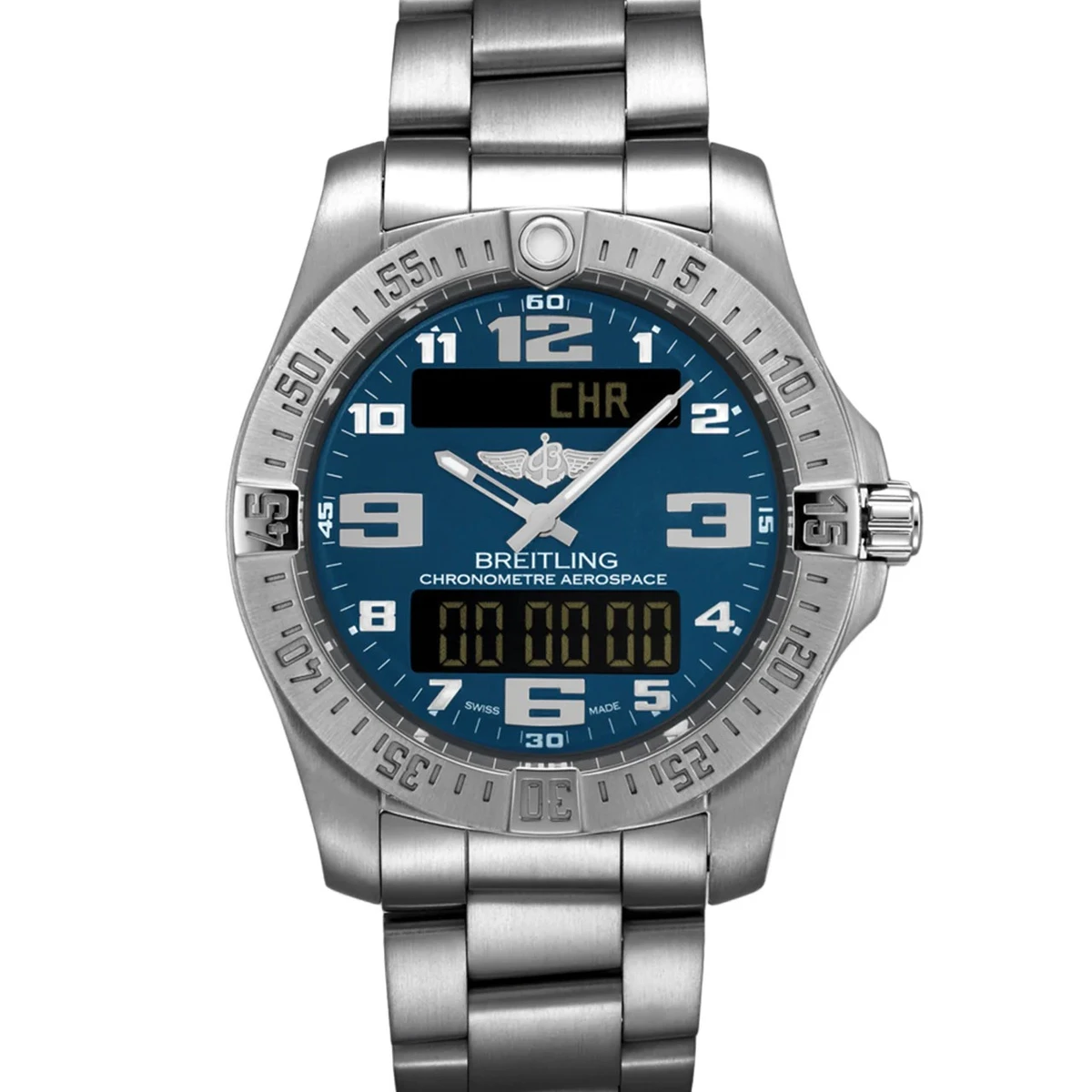
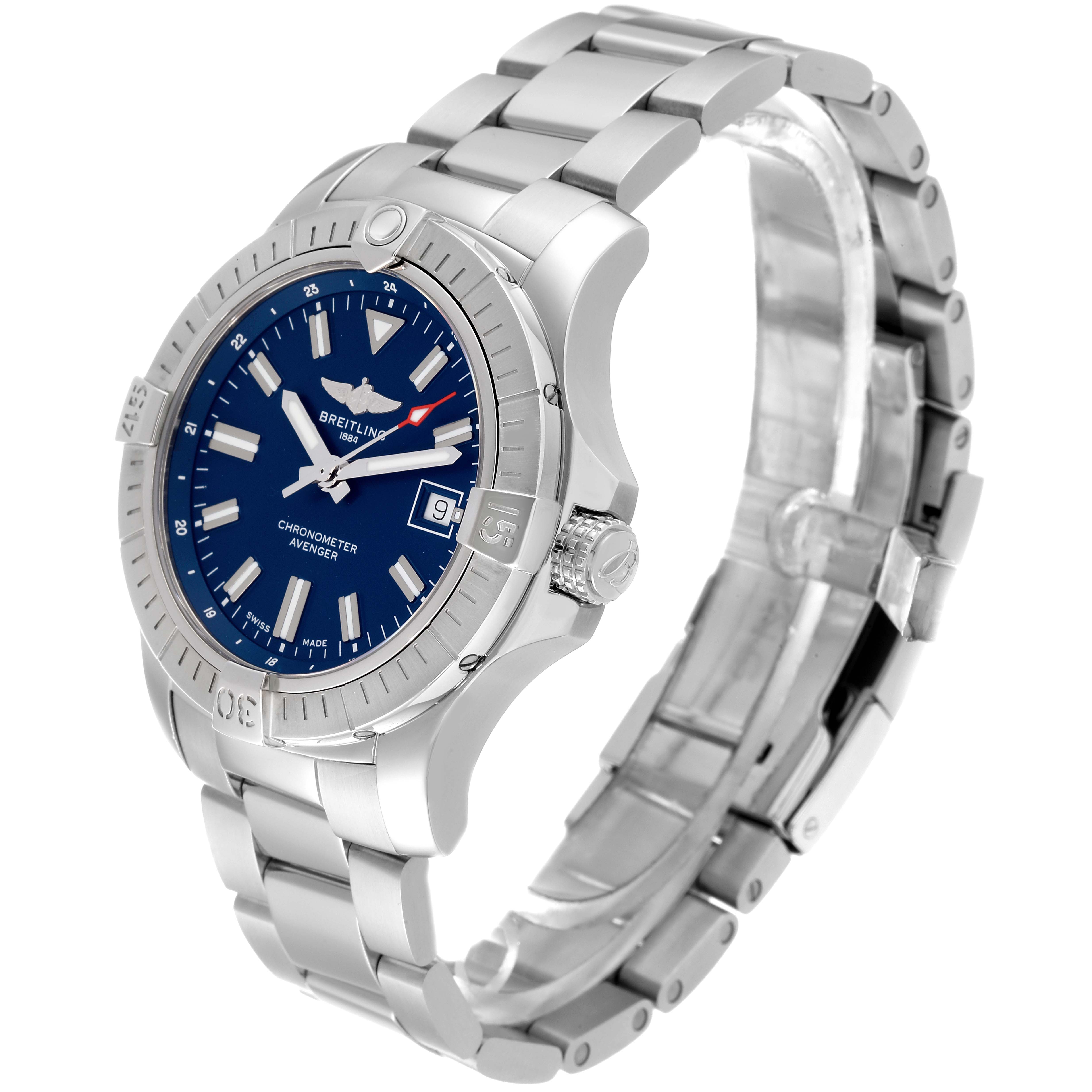
Best Tool Watches
Purpose-built timepieces designed for specific tasks. Durable, functional, and ready for anything.
Showing 14 watches
About Best Tool Watches: Purpose-Built Instruments for Professionals
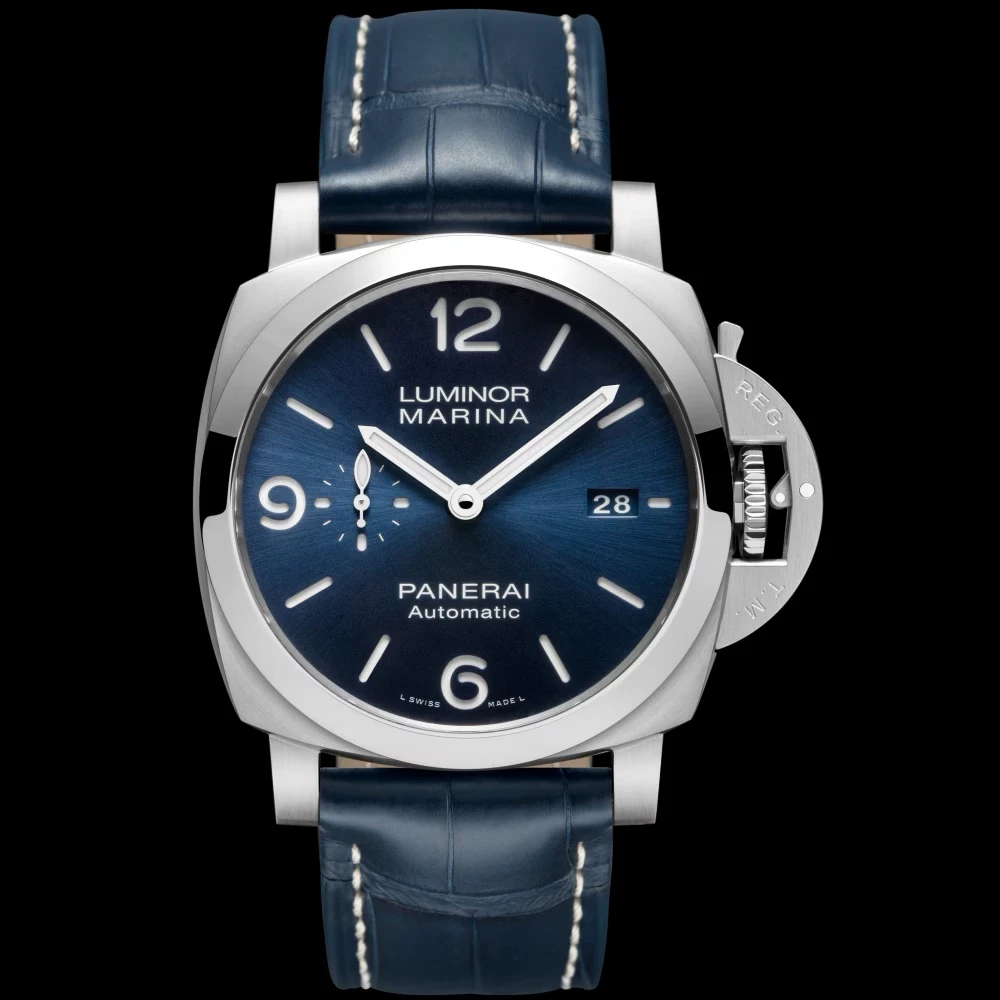
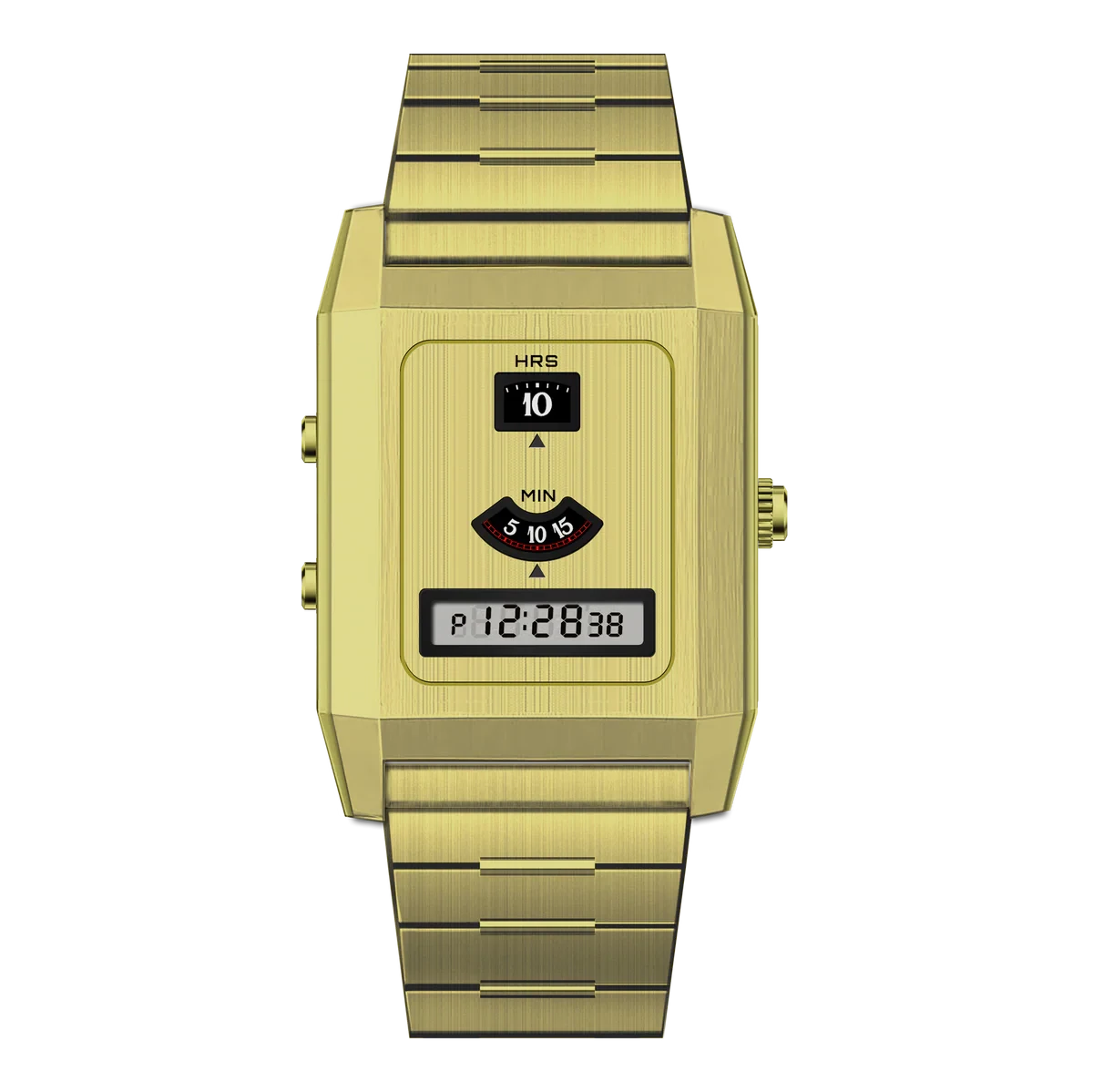
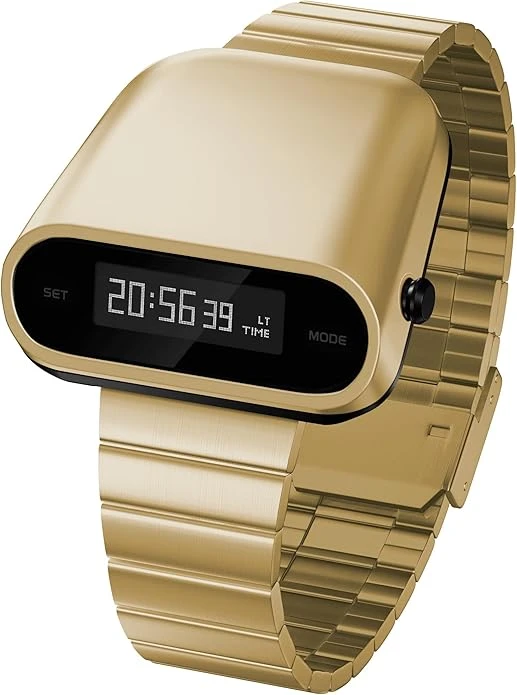
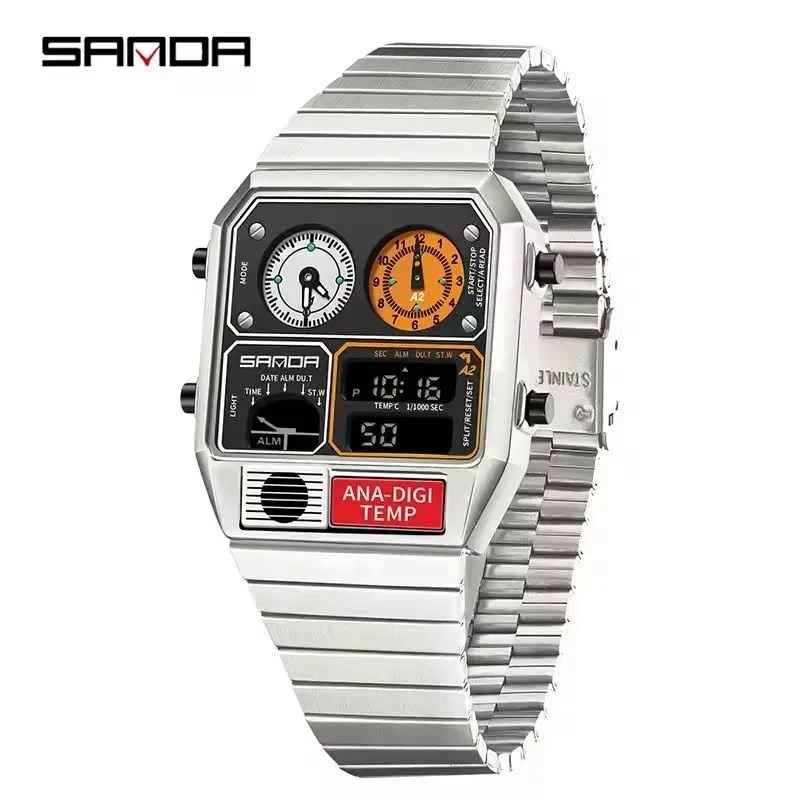
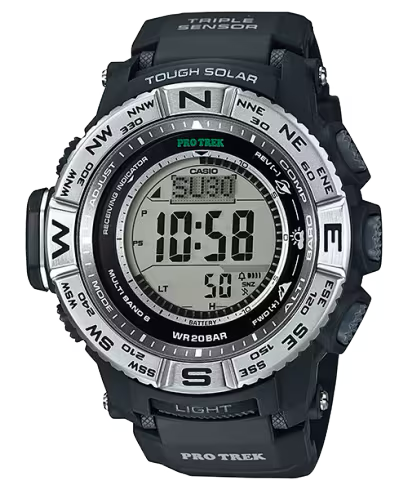
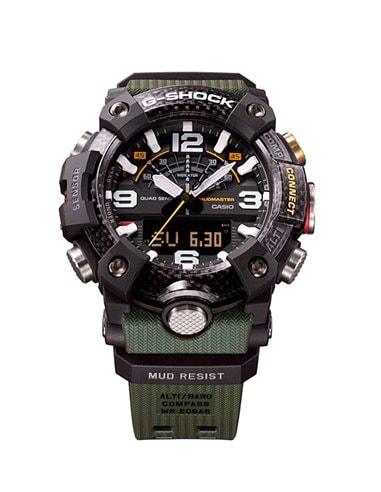
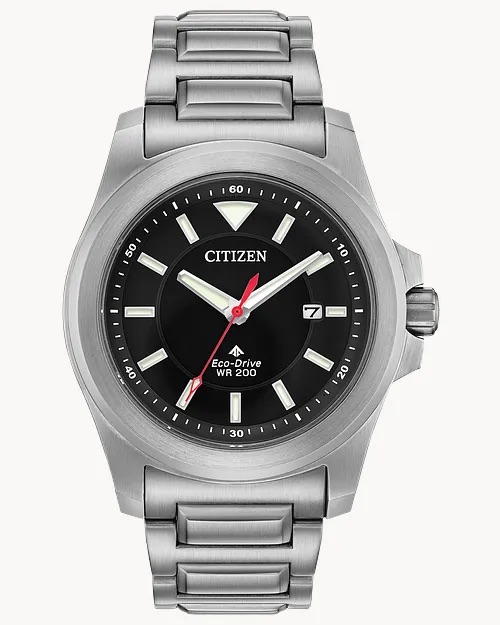
Tool watches are purpose-built instruments designed for specific professional or recreational activities. Unlike dress watches that prioritize aesthetics, tool watches prioritize function: durability, legibility, and specialized features that serve their intended purpose.
The category encompasses dive watches for underwater exploration, pilot watches for aviation, field watches for military use, and specialized instruments for racing, mountaineering, and scientific work. What unifies them is an uncompromising focus on performance over appearance.
Rolex pioneered the modern tool watch with the Submariner (diving), Explorer (mountaineering), and GMT-Master (aviation). These watches proved themselves in extreme conditions: the Submariner on Jacques Cousteau's expeditions, the Explorer on Everest, the GMT-Master in Pan Am cockpits. Today, brands from Seiko to Omega continue this tradition.
Modern tool watches often exceed their original specifications. A dive watch rated to 300m may never see depths beyond a swimming pool, but its construction ensures reliability in any environment. This "overbuilt" philosophy makes tool watches excellent everyday wearers. They handle whatever life throws at them while looking purposeful.
Check Current Deals on Amazon and eBay
Use the watch pages and comparison tools to narrow your picks, then check live retailer listings when available.
WatchCompared may earn a commission from qualifying purchases through affiliate links. This does not change your price.
Frequently Asked Questions
Common questions about best tool watches
Tool watches are designed for specific functions beyond timekeeping: diving (dive watches), aviation (pilot watches), exploration (field watches), etc. They prioritize durability, legibility, and specialized features over pure aesthetics.
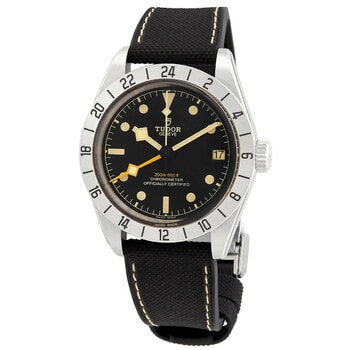
The Rolex Explorer or Tudor Black Bay offer versatile tool watch capabilities. For budget options, the Seiko Prospex line and Hamilton Khaki Field provide professional-grade construction at accessible prices.
Absolutely. Tool watches are built to handle demanding conditions, making them perfect for daily wear. Their durability and water resistance handle normal activities easily. Many people wear dive watches or field watches as their only watch.
Tool watches should have water resistance checked annually if regularly submerged. Gaskets degrade over time. Otherwise, standard watch maintenance applies. Their robust construction often makes them easier to maintain than dress watches.
50m: handwashing and rain. 100m: swimming and snorkeling. 200m+: recreational diving. Most people never need more than 100m, but higher ratings indicate more robust construction.
Tool watches require robust cases, quality movements, specialized materials (sapphire, ceramic, titanium), and extensive testing. The engineering for extreme conditions costs more than standard watch production.
Many tool watches work with business casual attire. Smaller sizes (40mm or less) on leather straps can work with suits. However, for formal occasions, a traditional dress watch is more appropriate.