Best Smartwatches
Connected timepieces that combine fitness tracking, notifications, and apps with traditional watch aesthetics. Apple Watch, Galaxy Watch, and more.
Showing 54 watches
About Best Smartwatches: Connected Timepieces for the Modern Era
Smartwatches have transformed wrist-worn technology from simple timekeeping to fully connected health and productivity companions. These intelligent devices combine traditional watch aesthetics with fitness tracking, notifications, apps, and seamless smartphone integration.
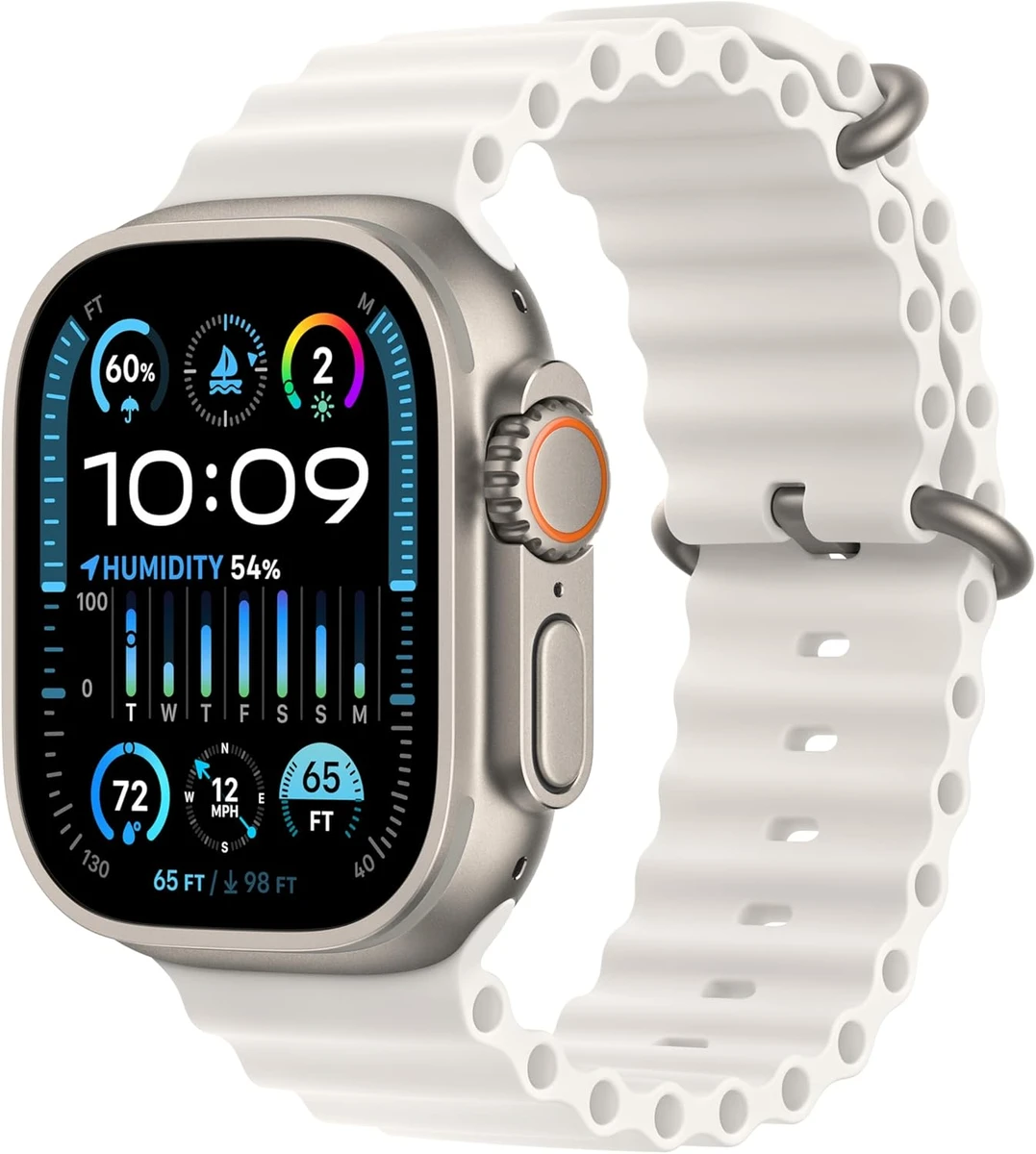
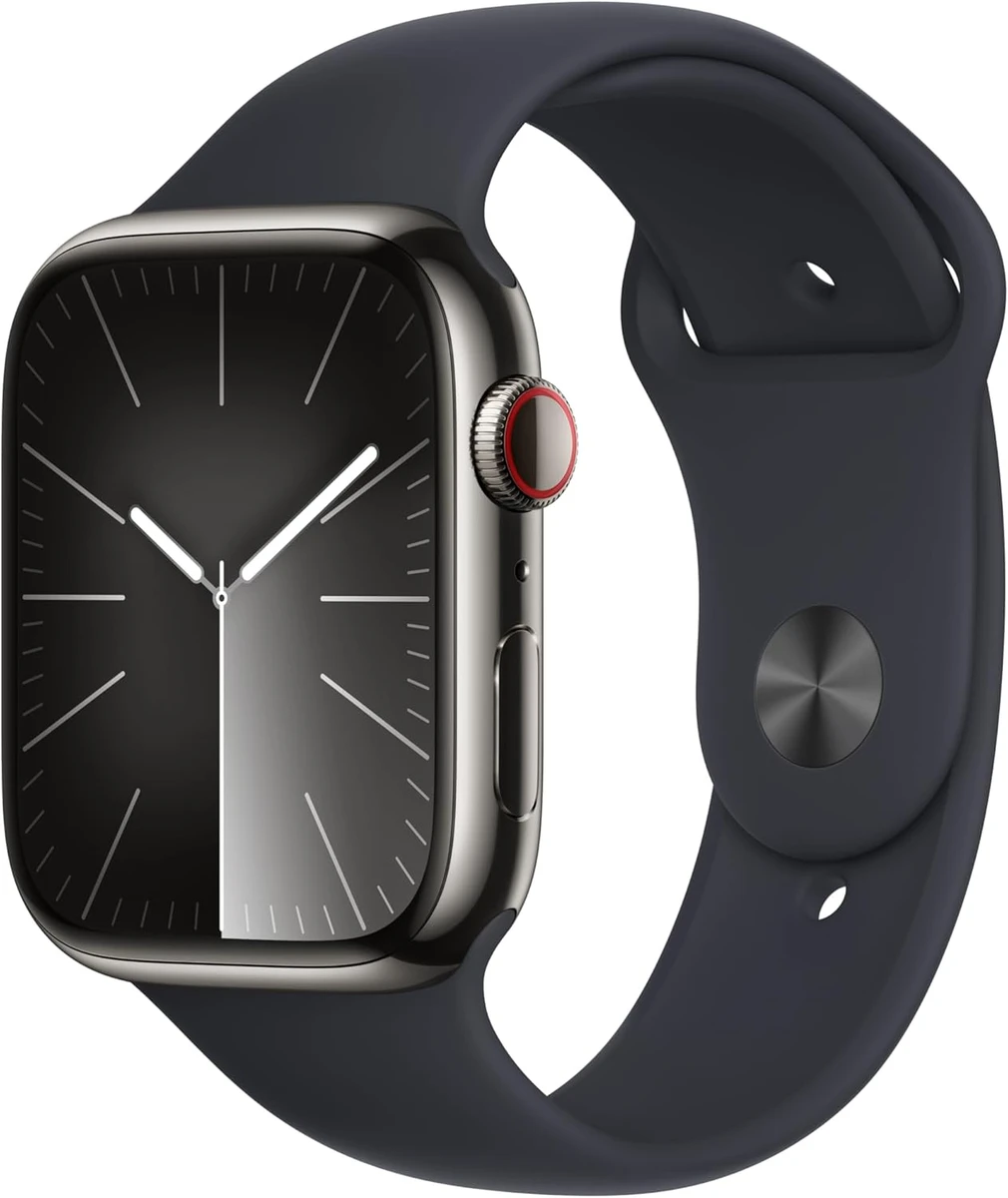
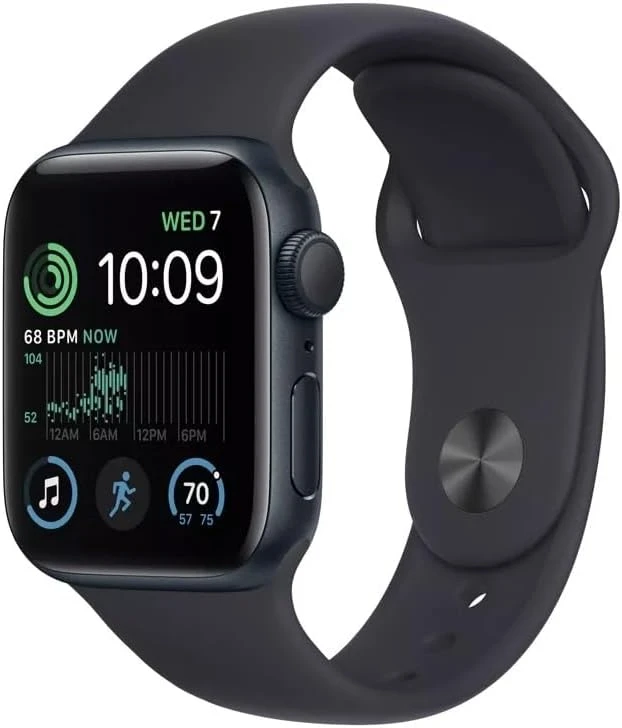
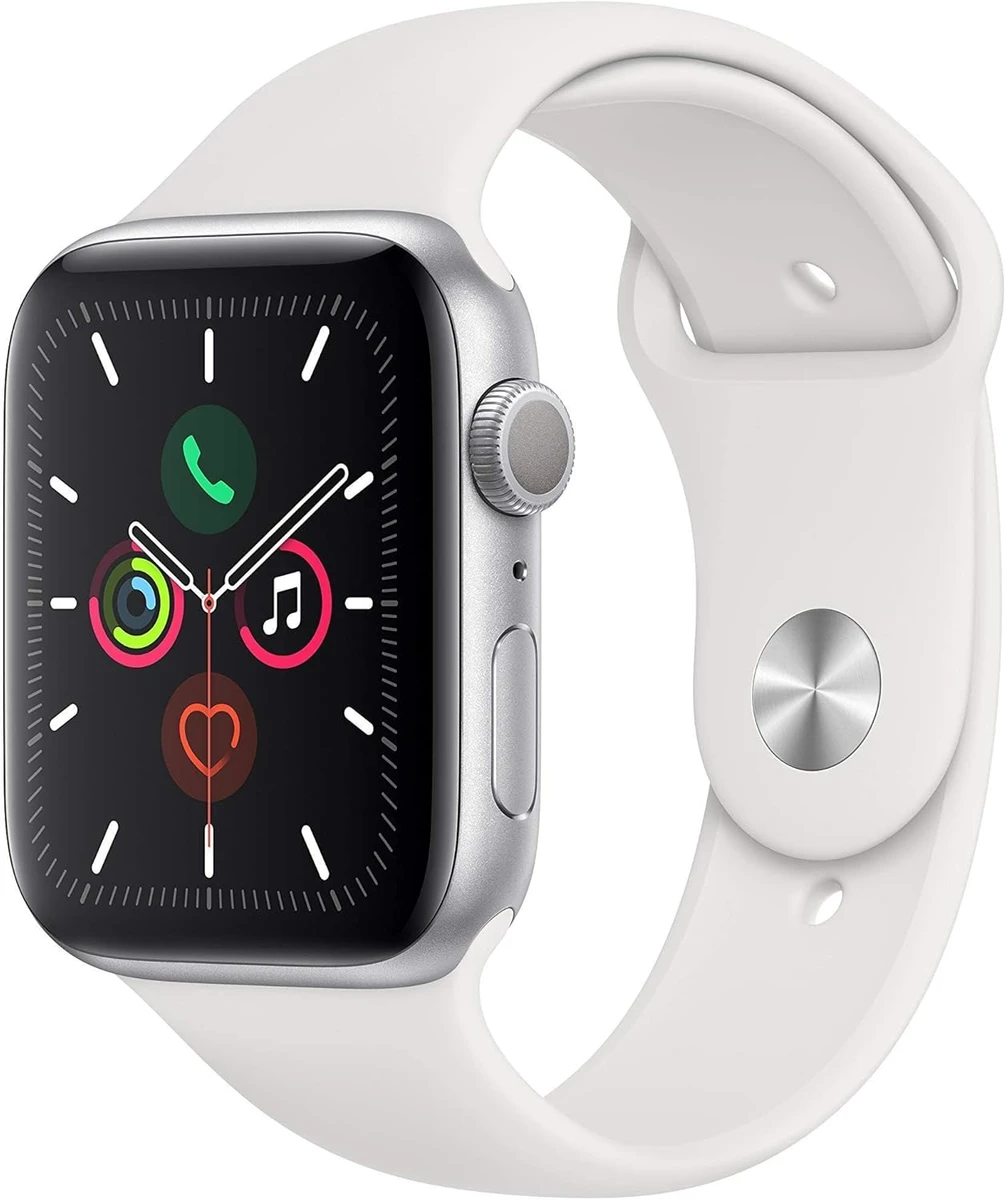
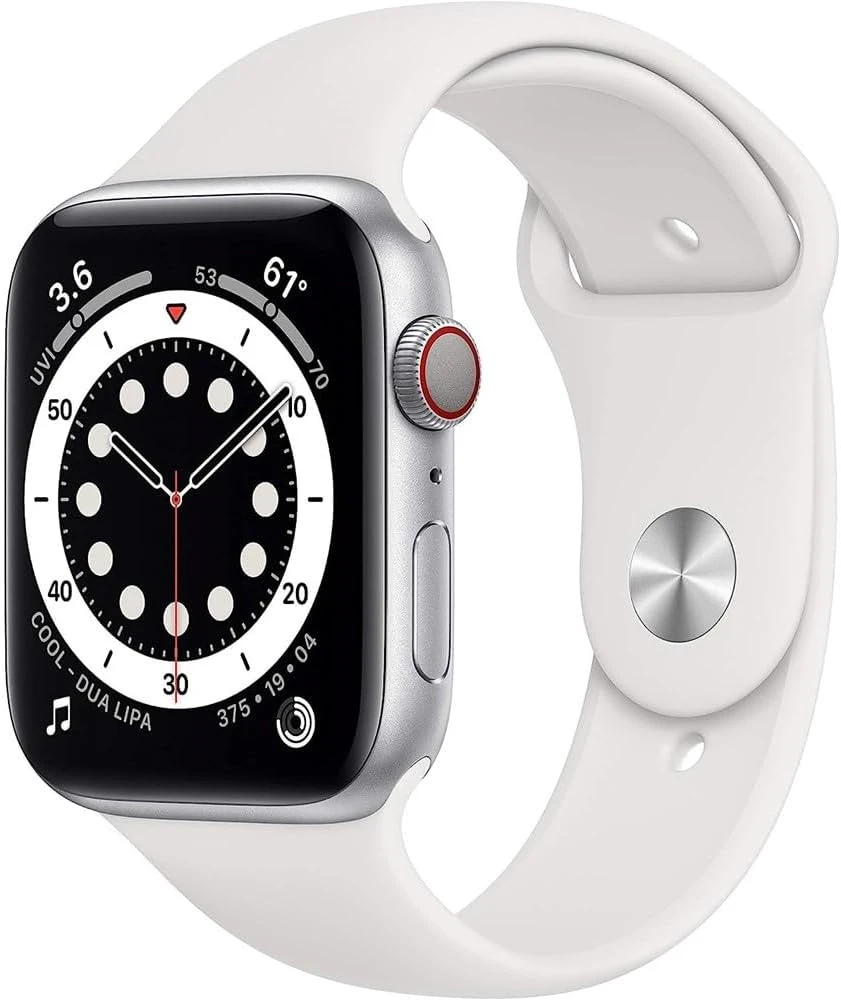
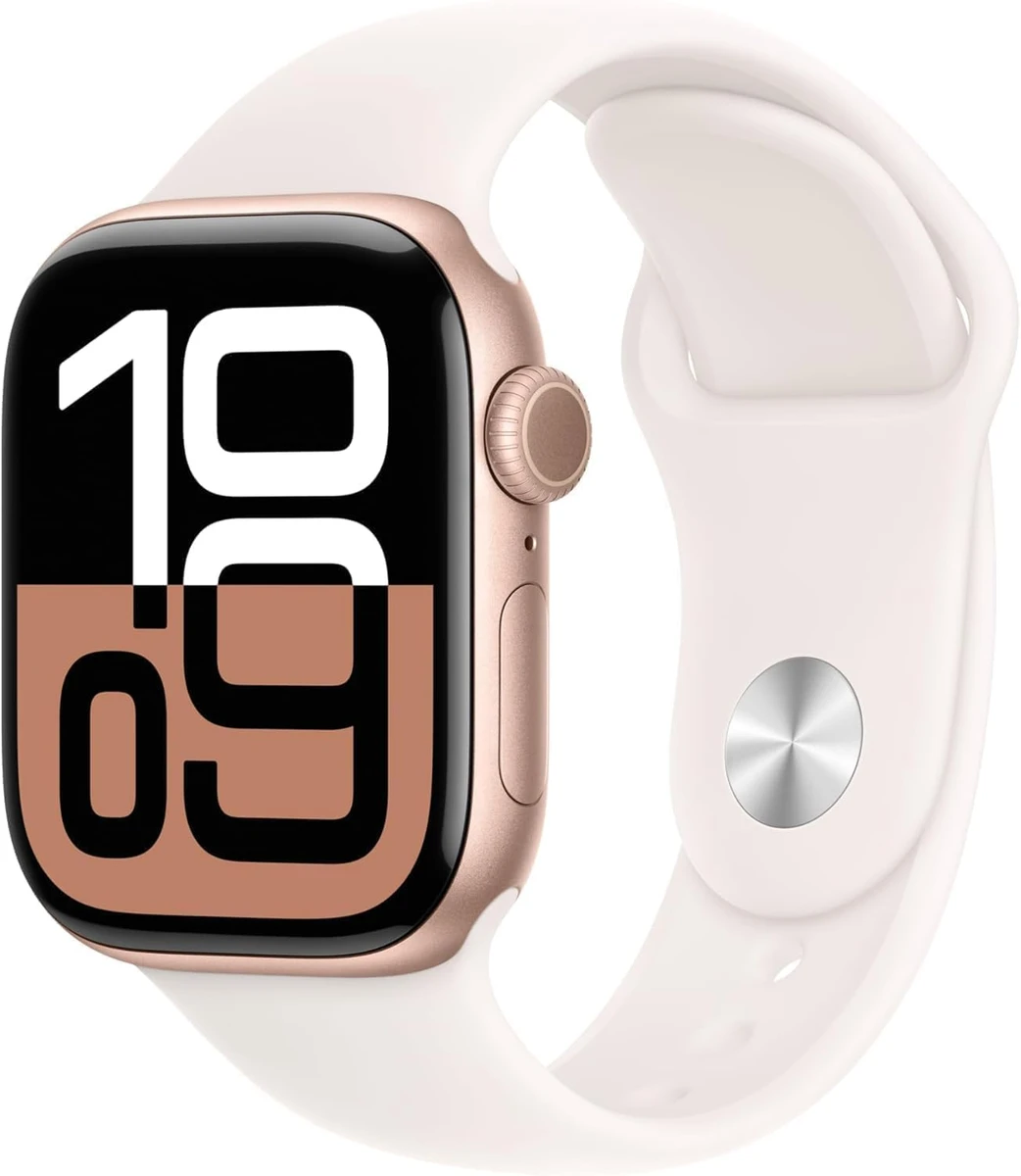
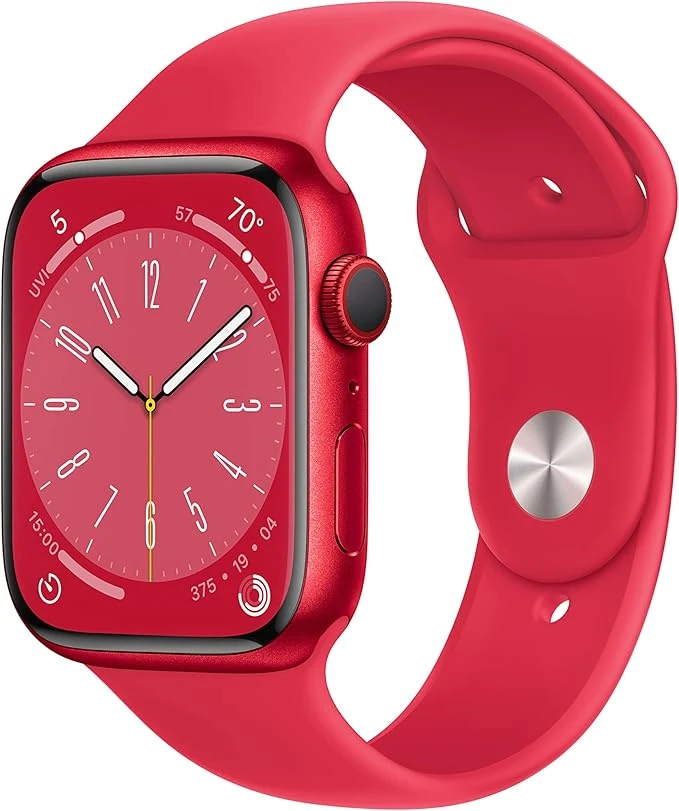
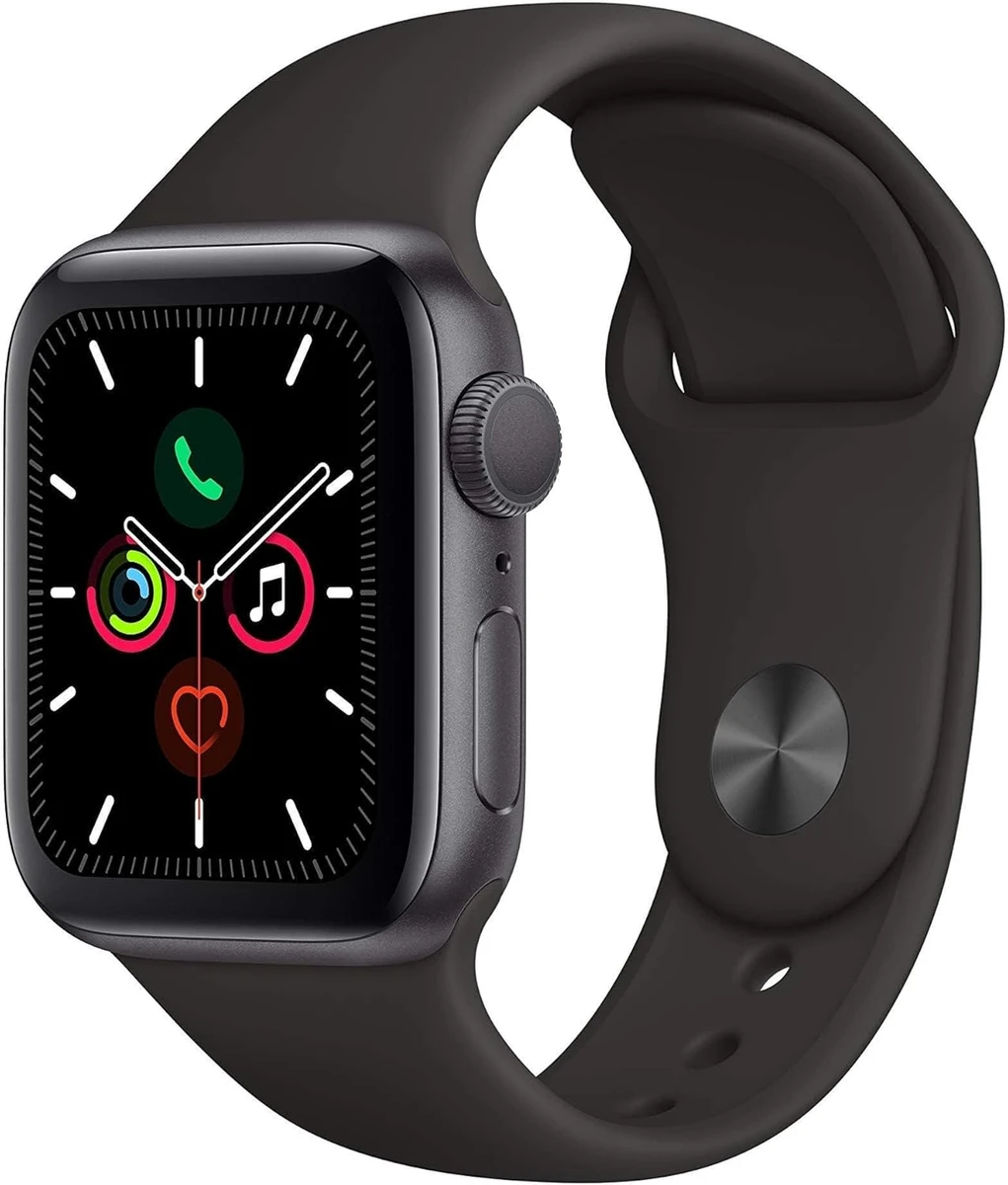
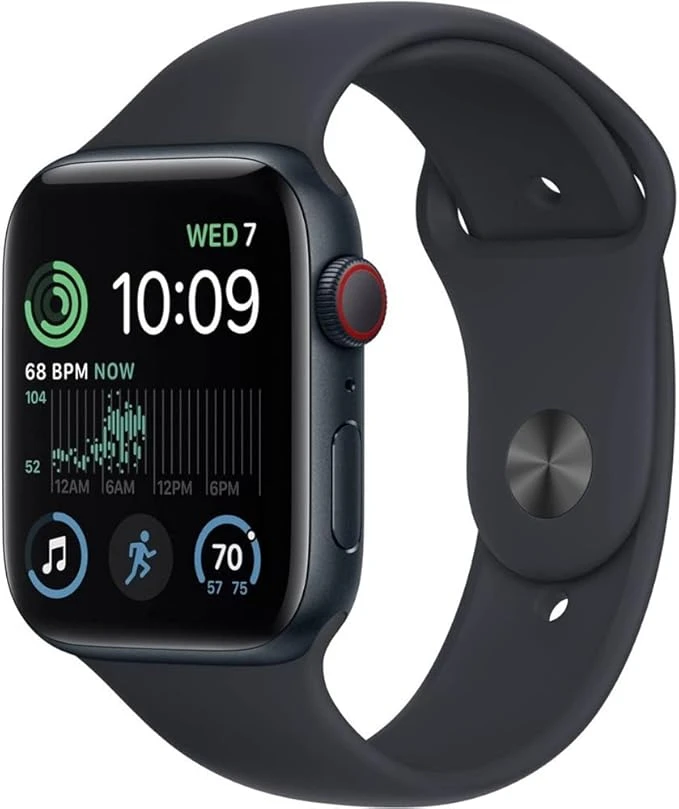
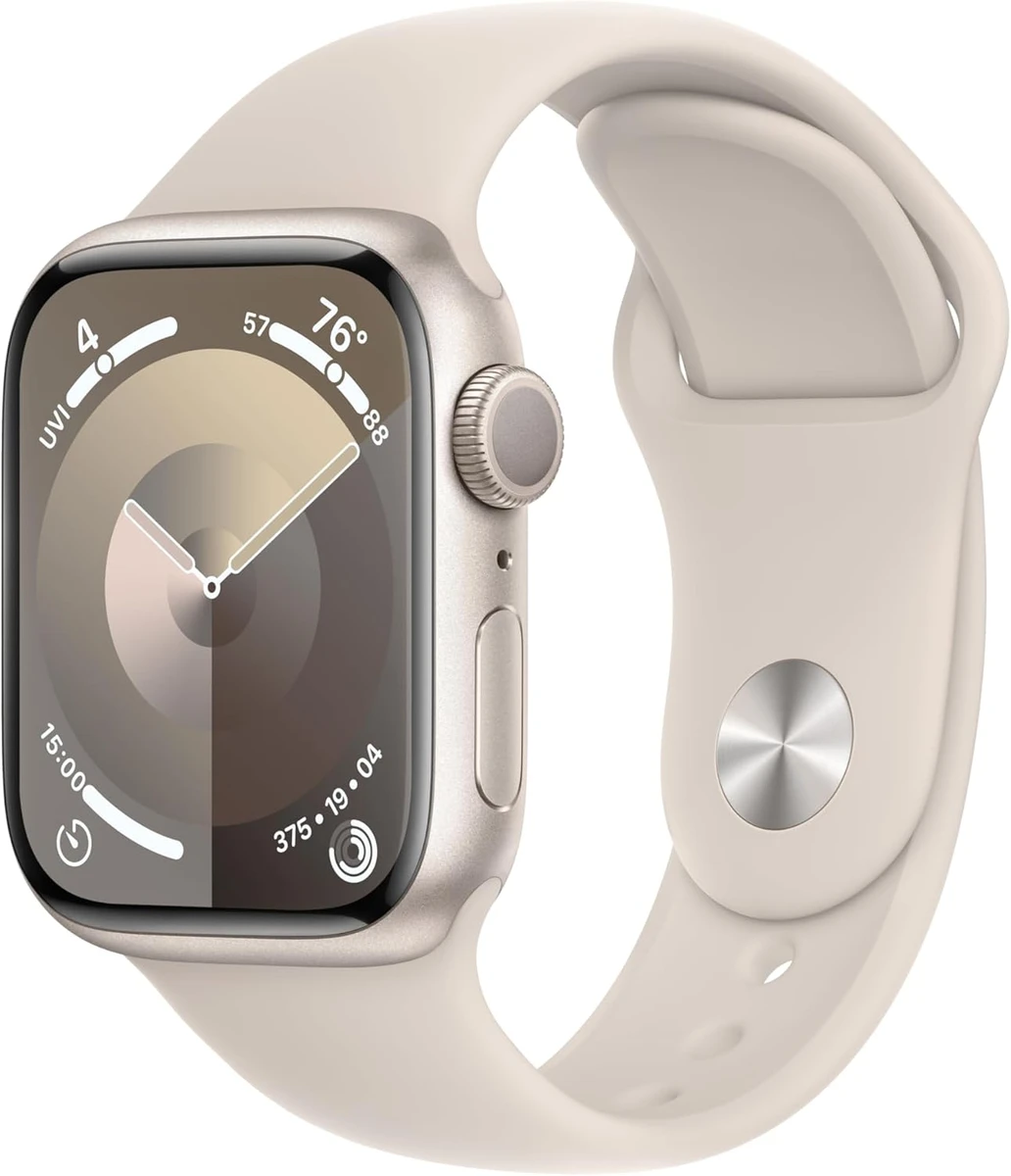
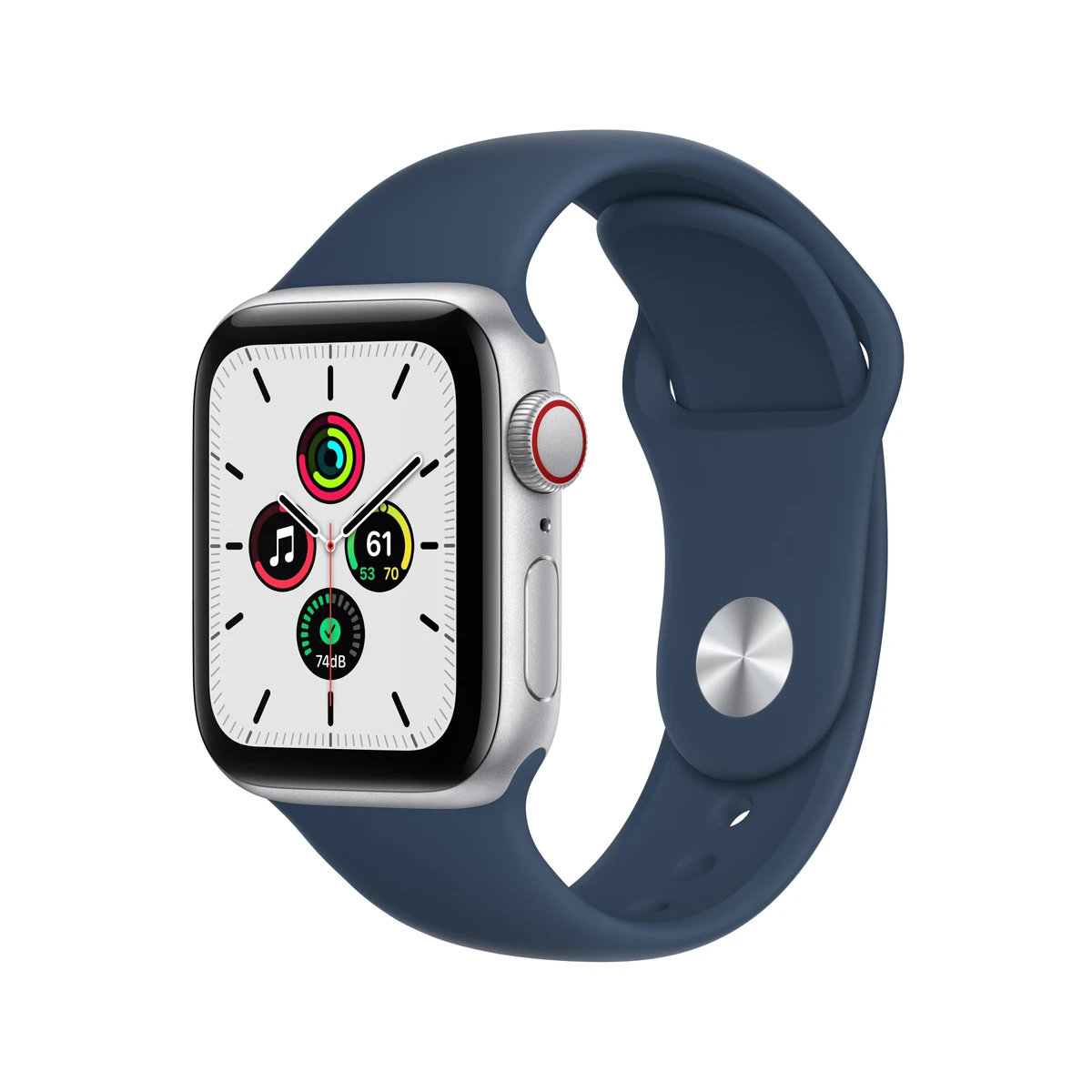
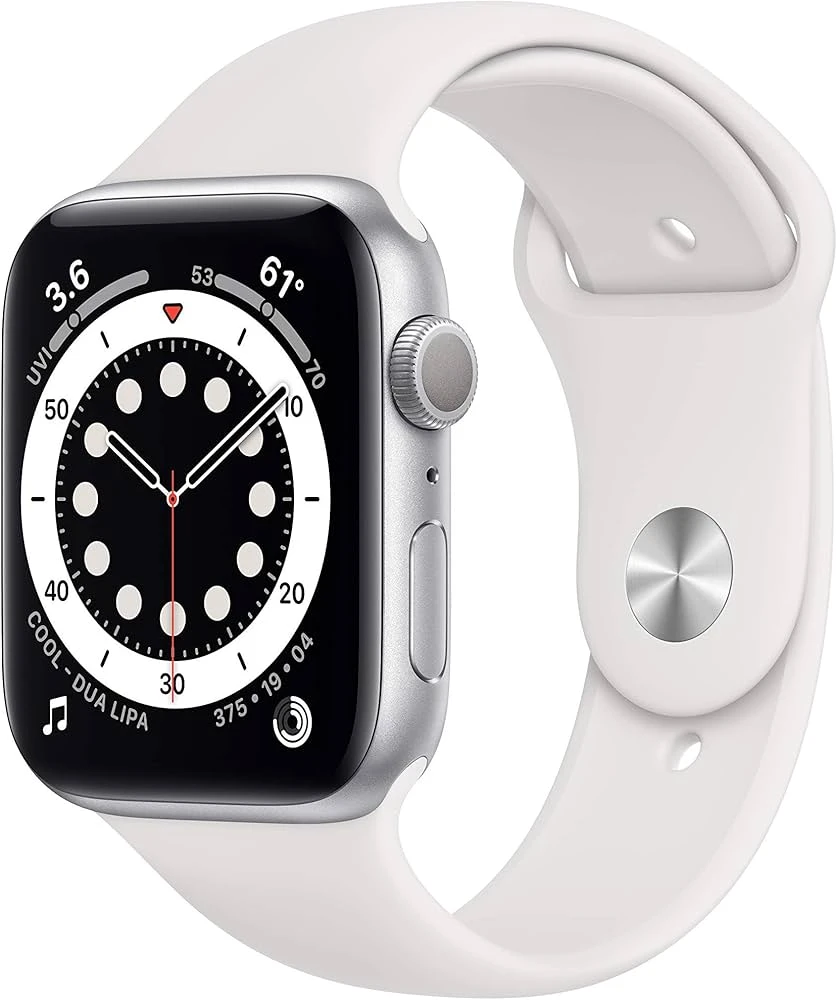
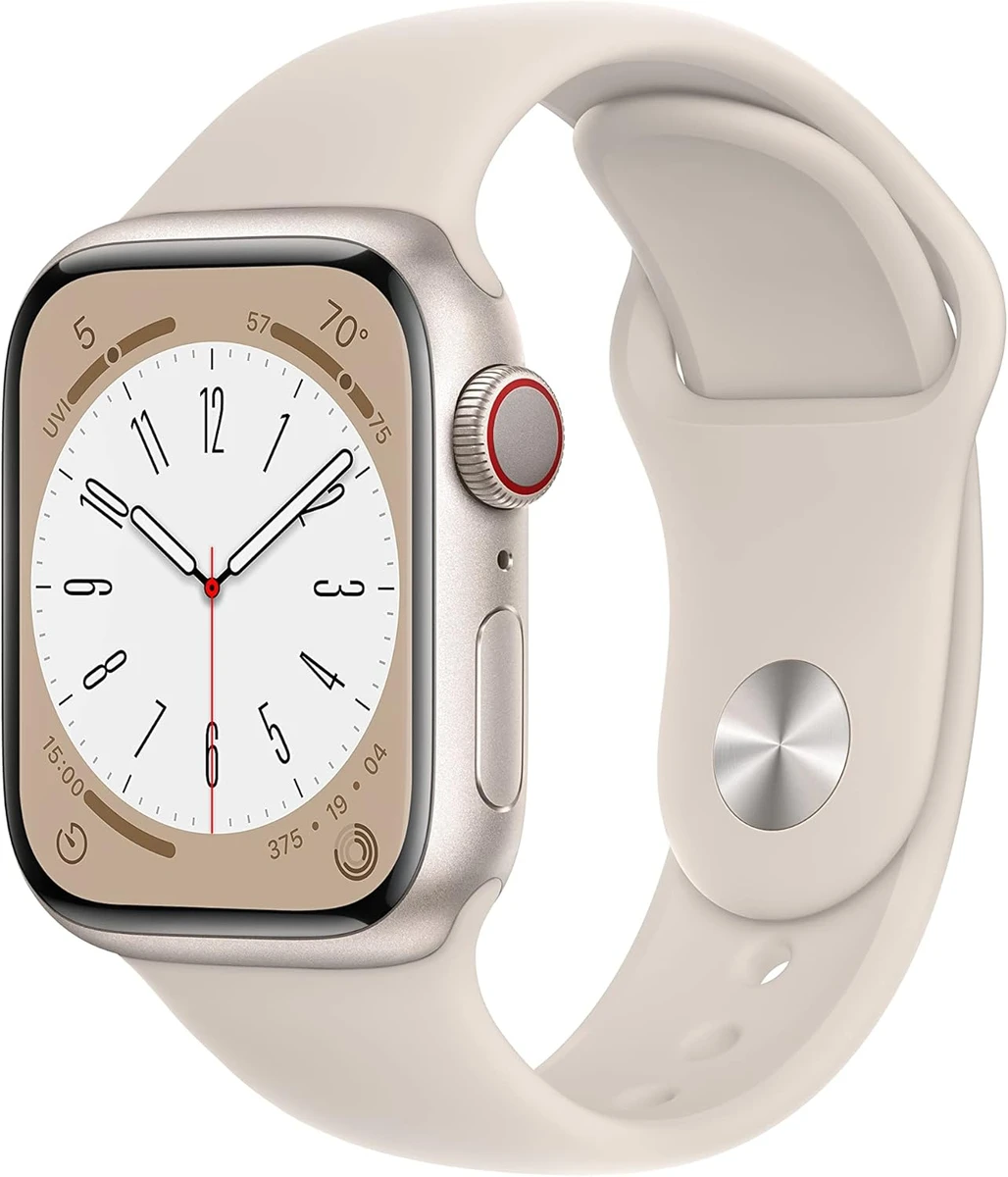
Apple Watch dominates the smartwatch market, offering deep iOS integration, industry-leading health sensors, and an extensive app ecosystem. The latest Apple Watch models feature blood oxygen monitoring, ECG capability, crash detection, and workout tracking for virtually every sport. For iPhone users, Apple Watch remains the most polished and feature-complete option.
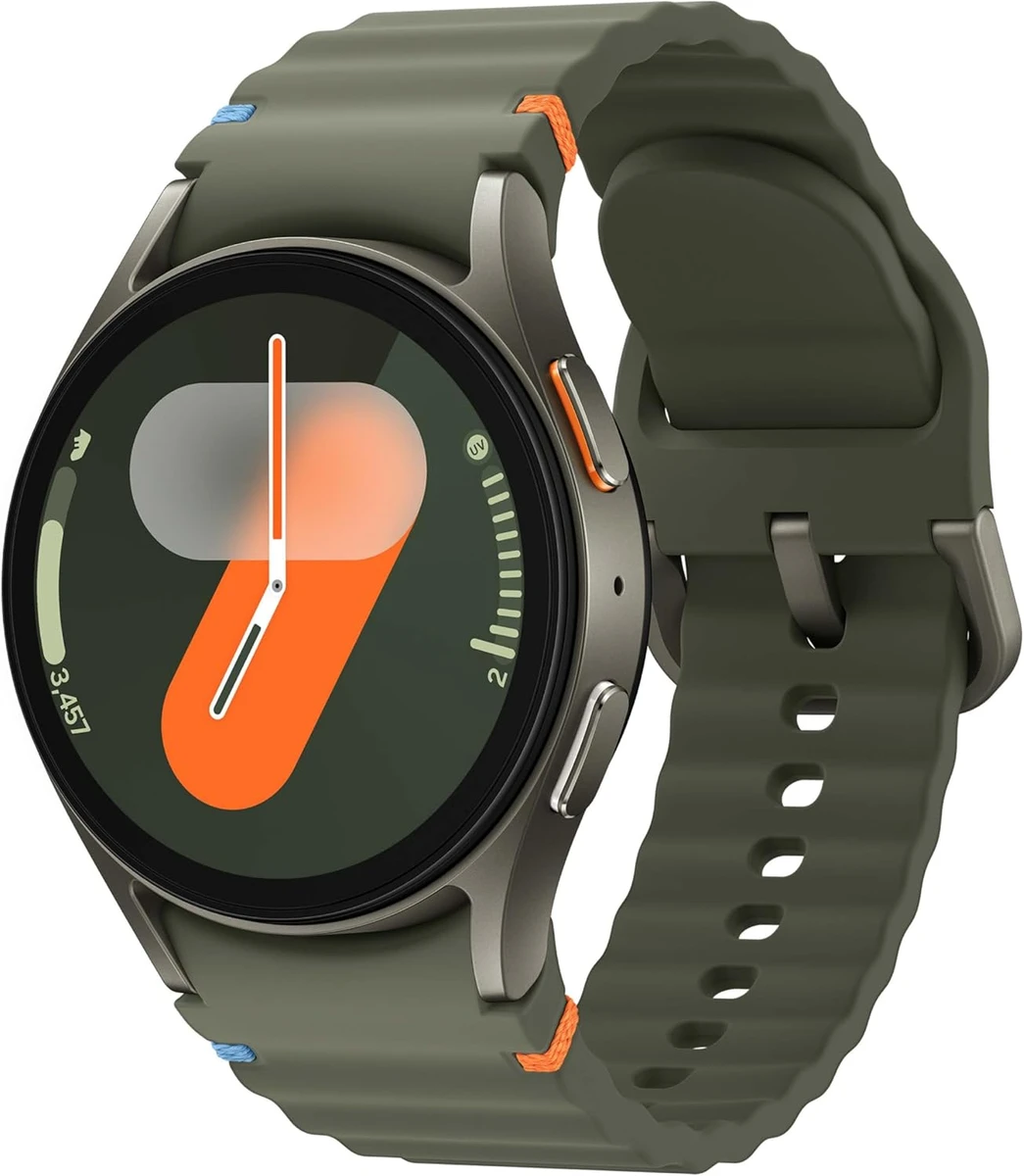
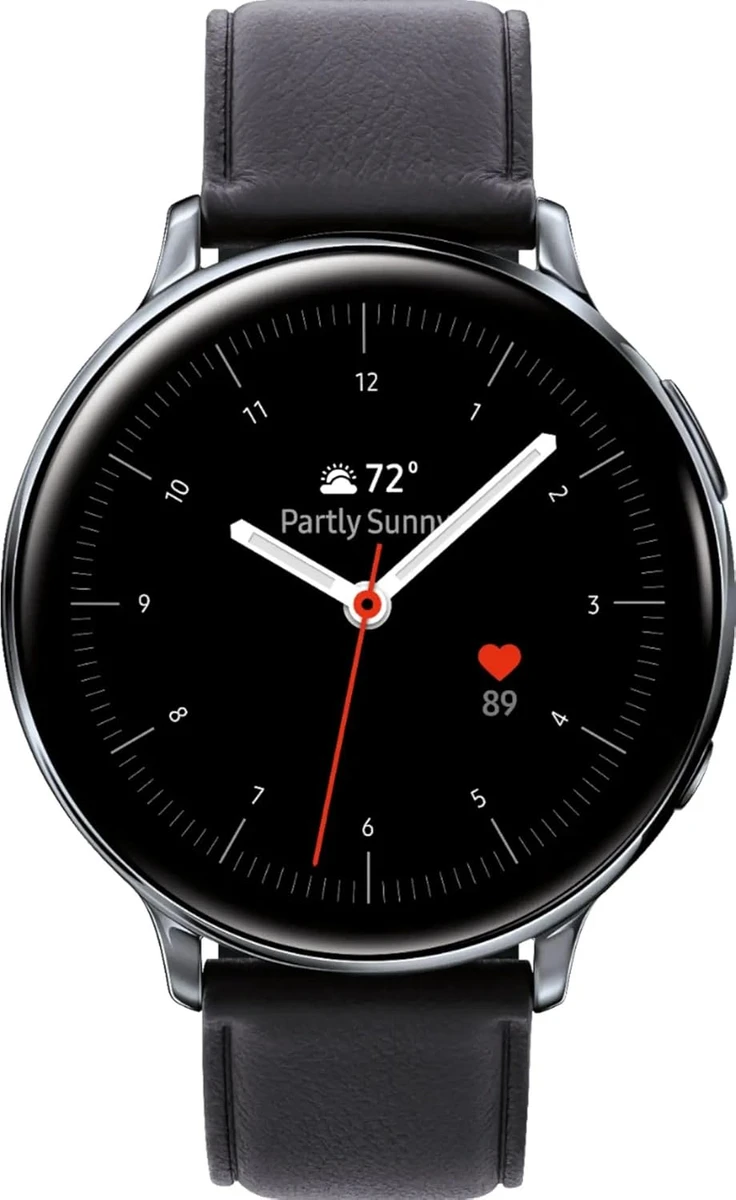
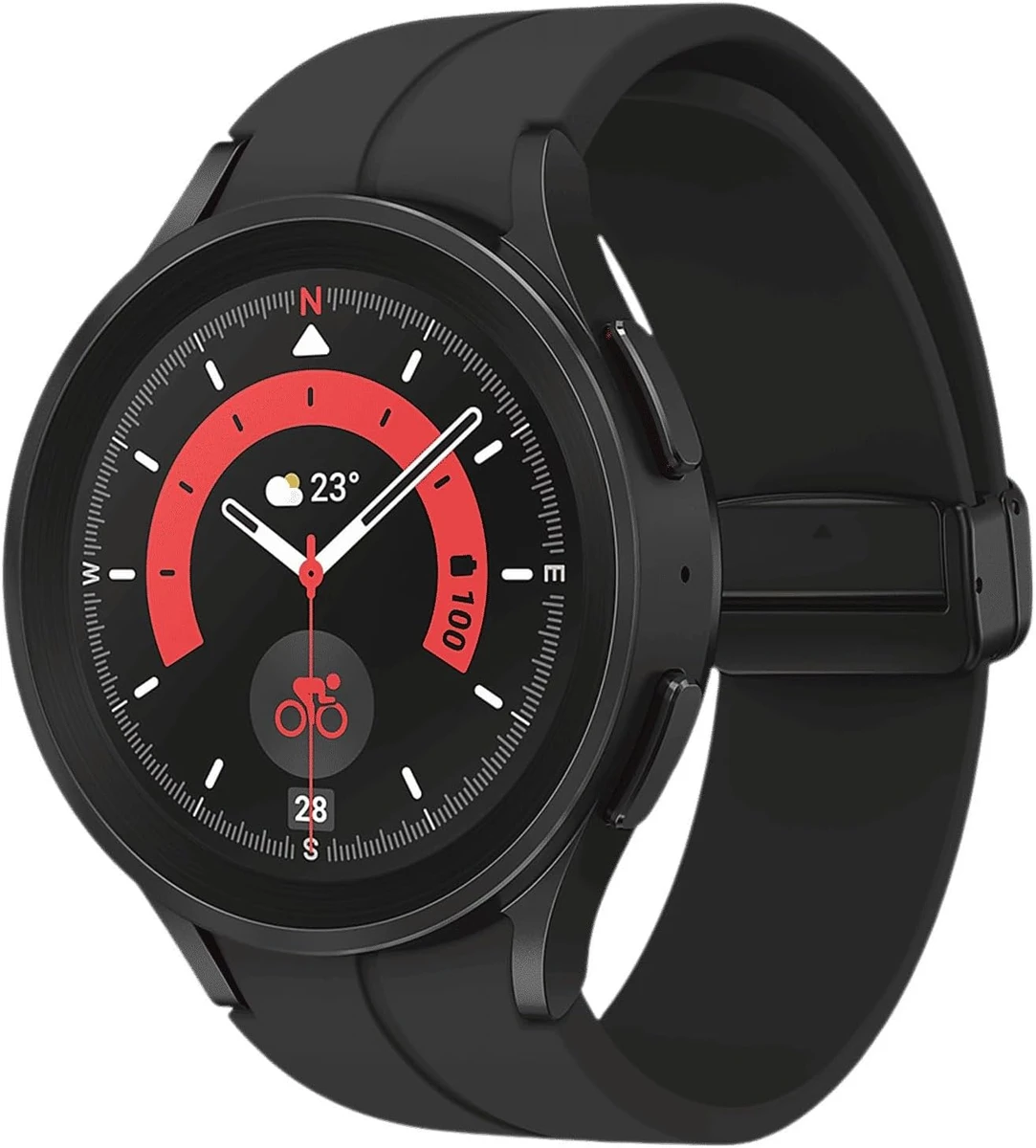
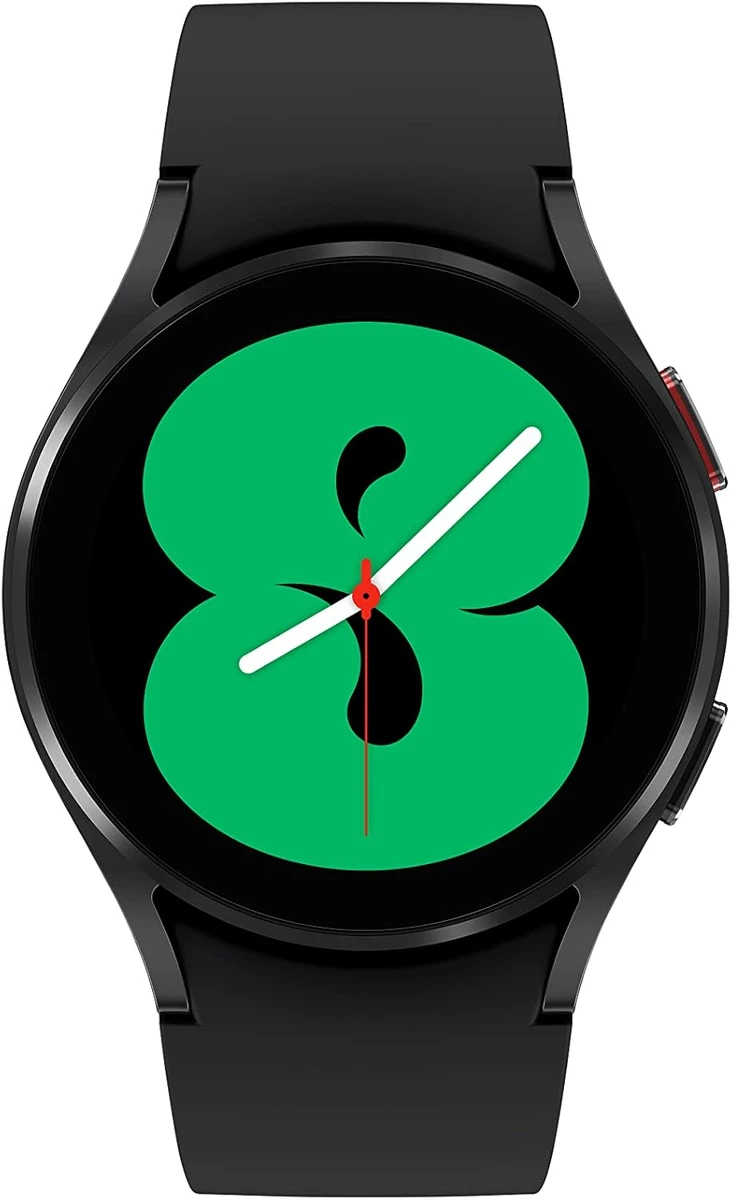
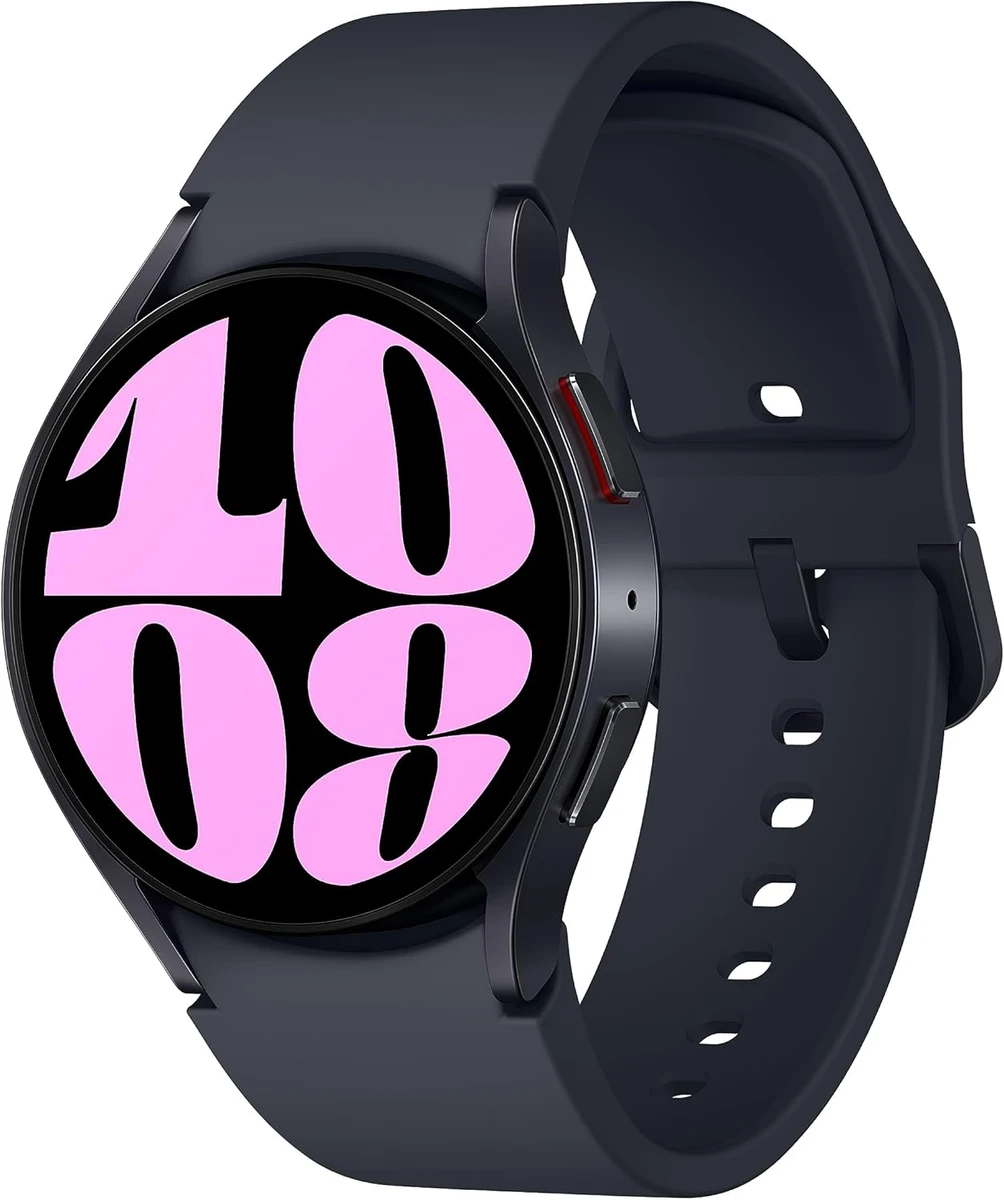
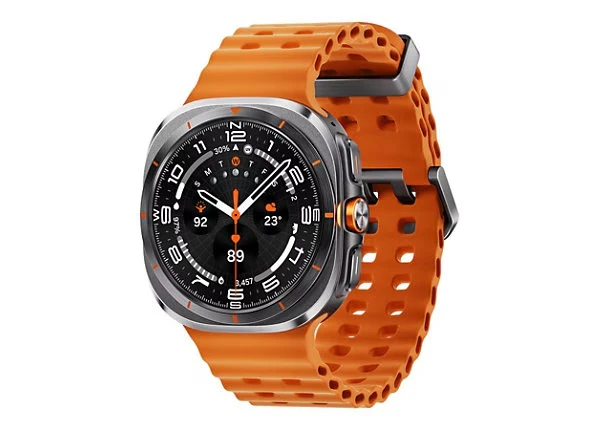
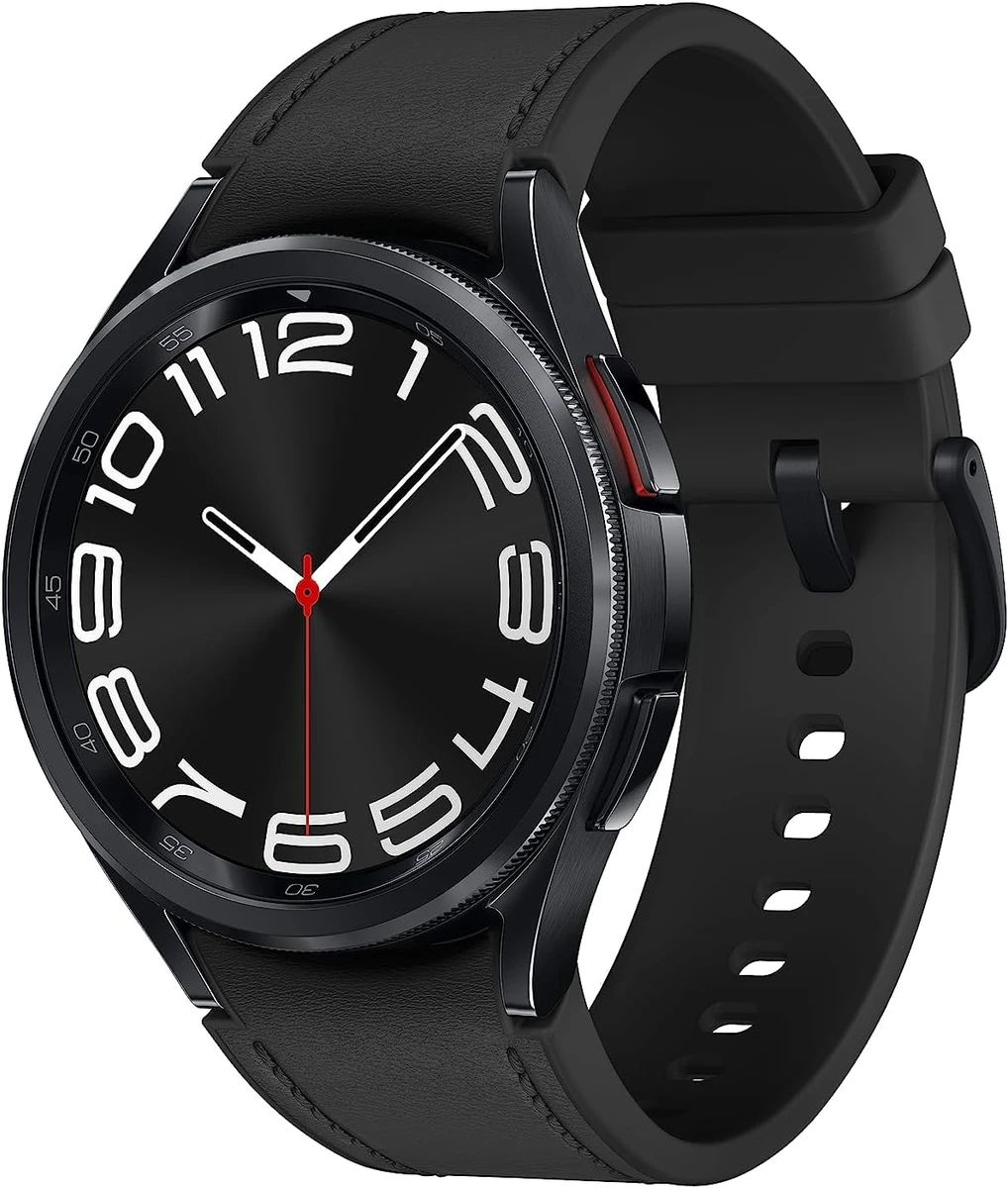
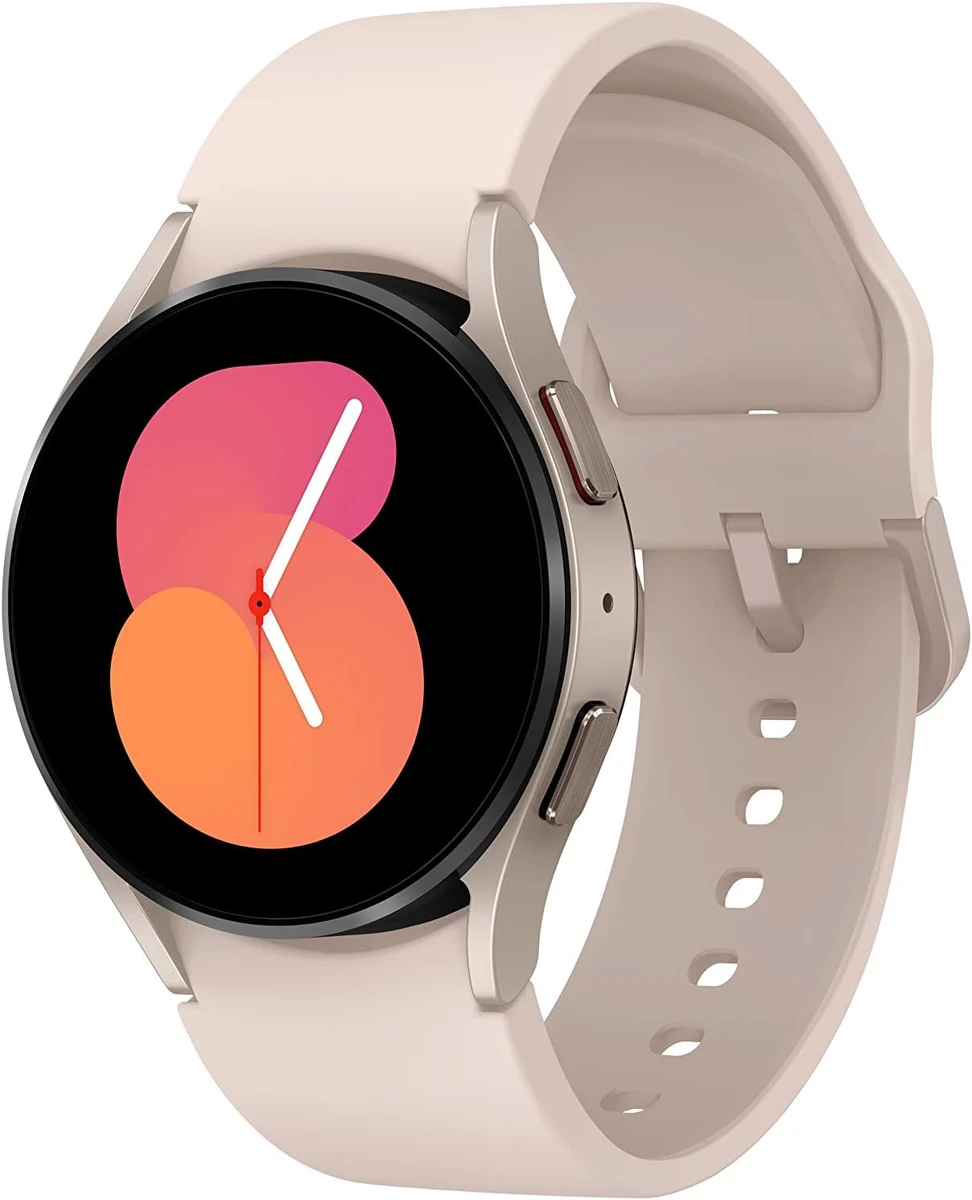
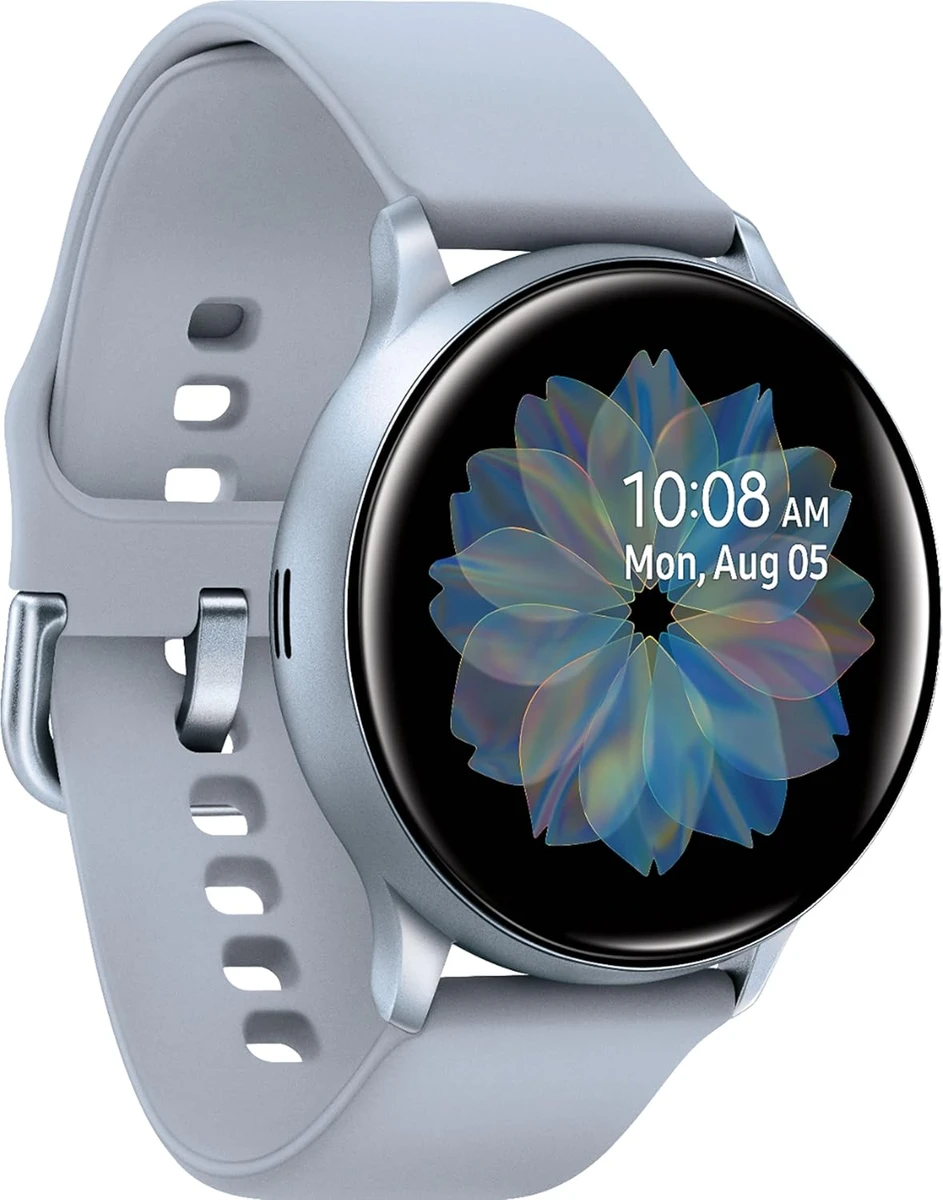
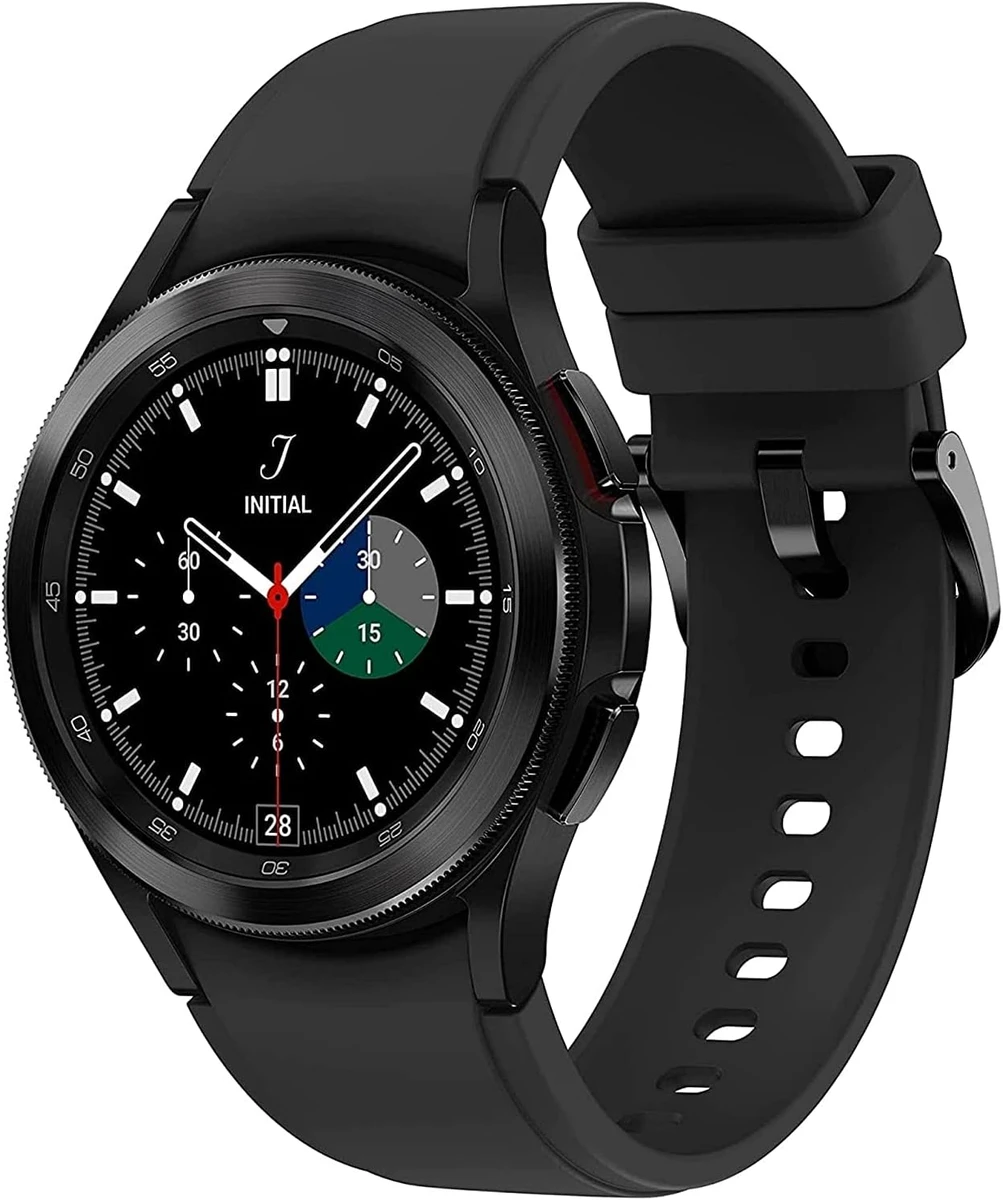
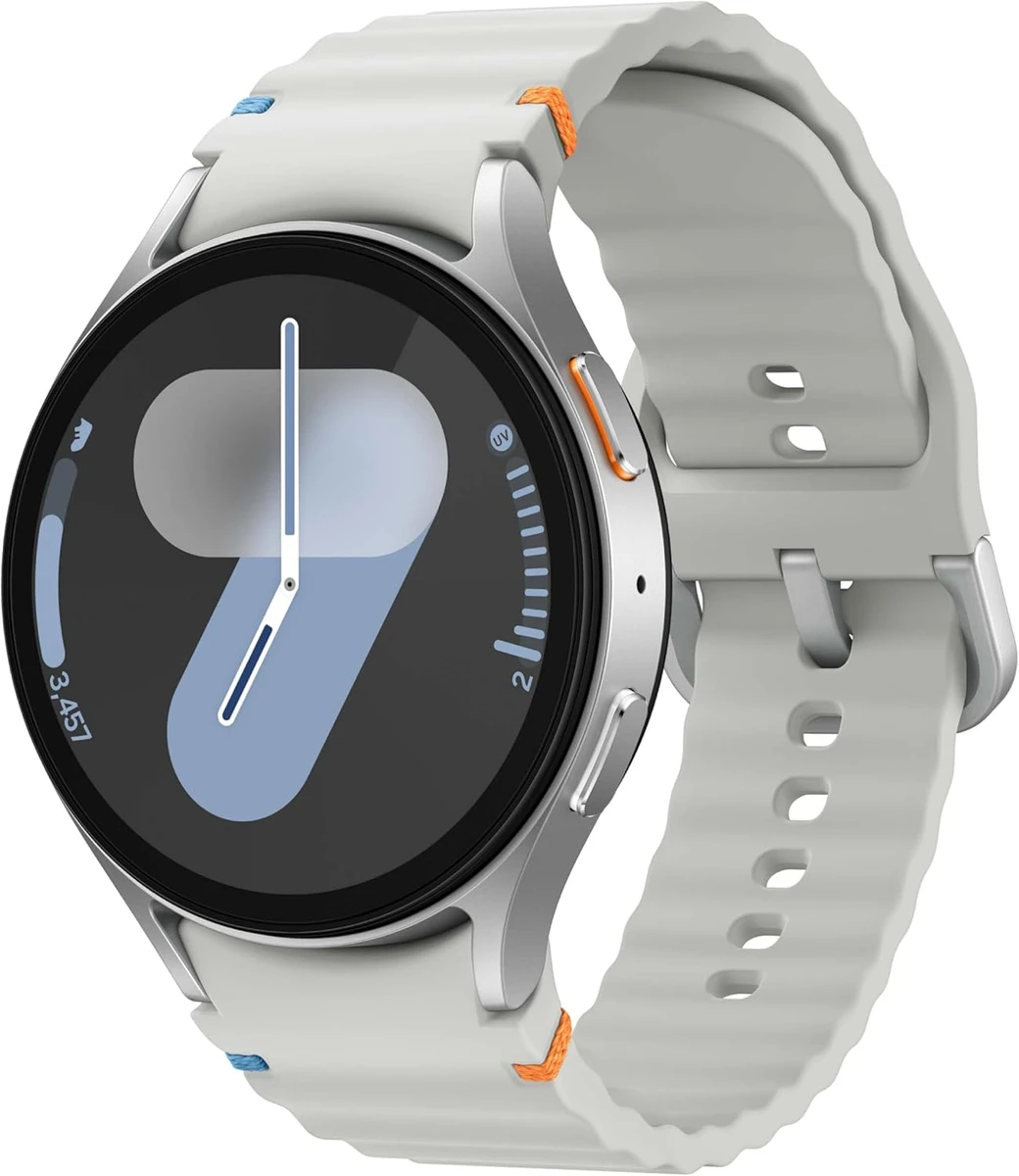
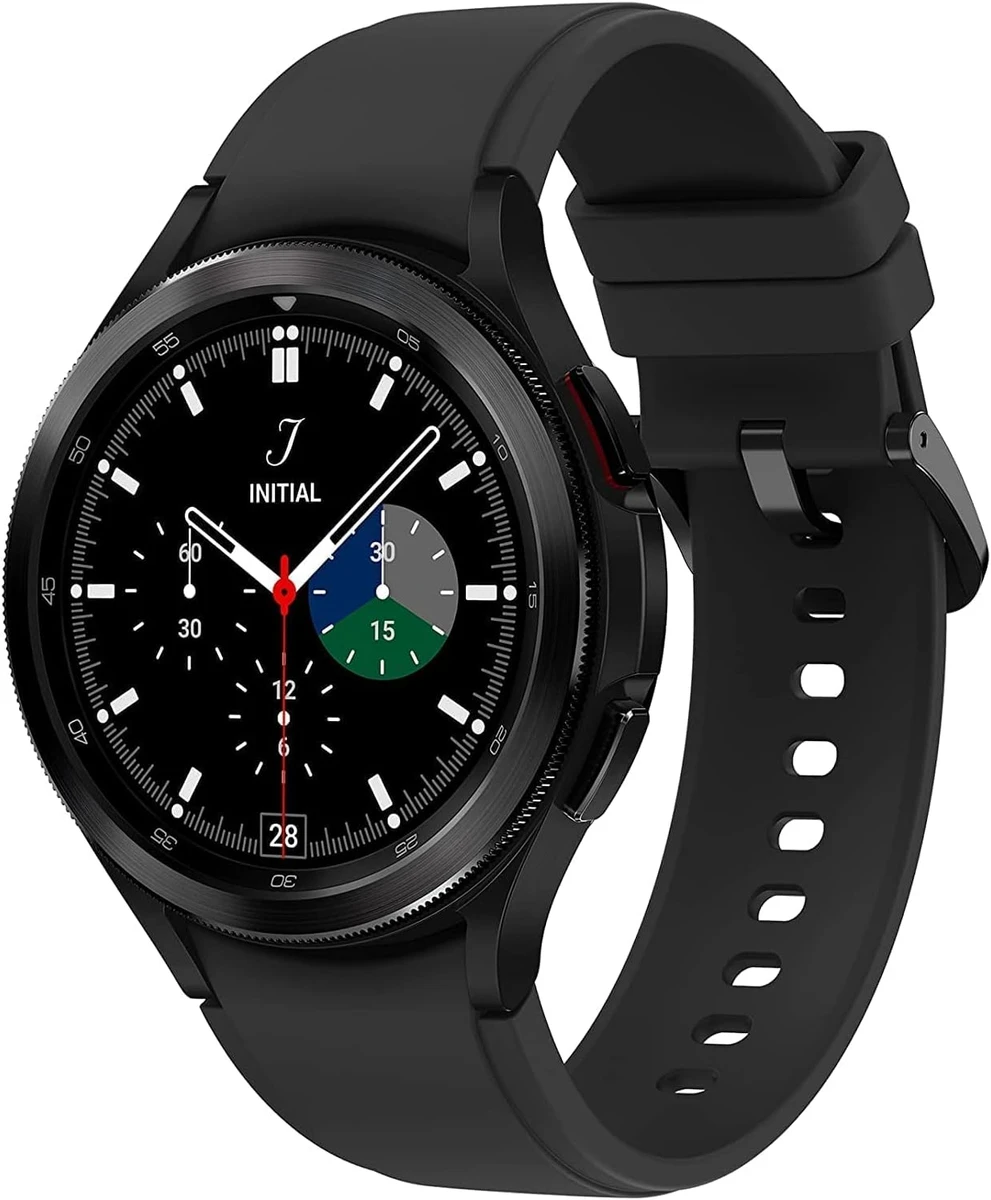
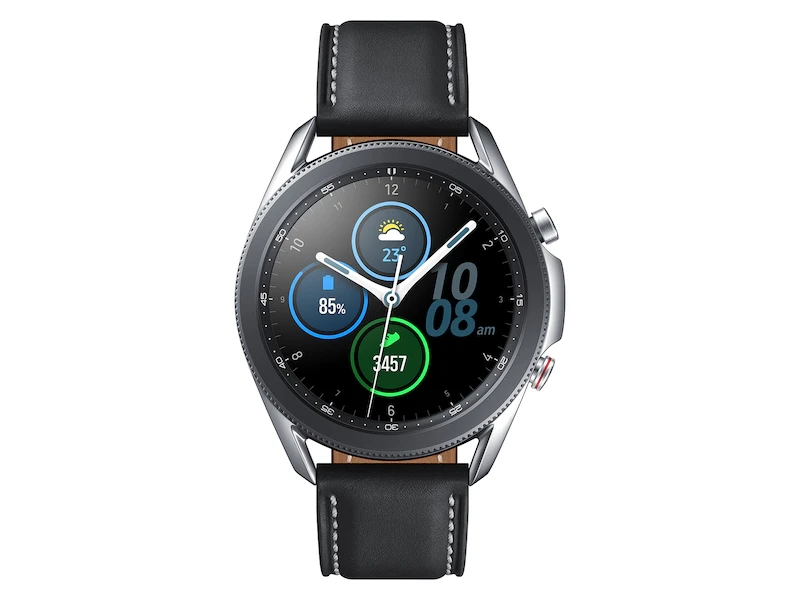
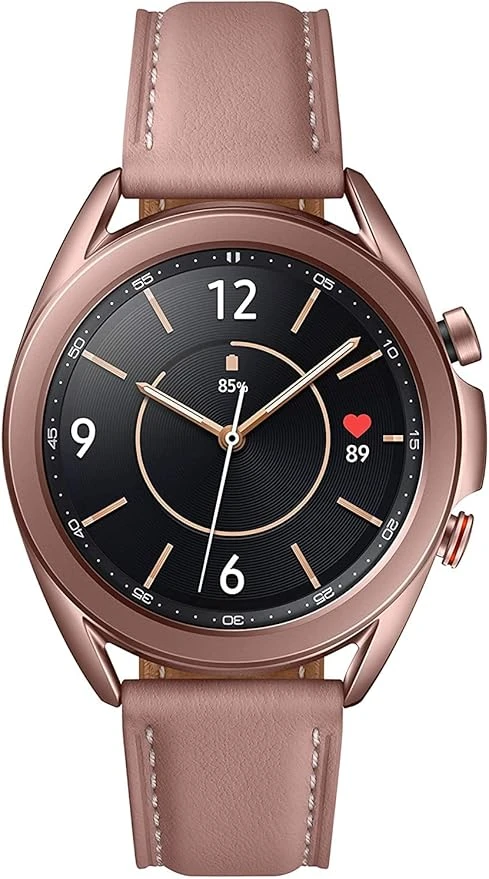
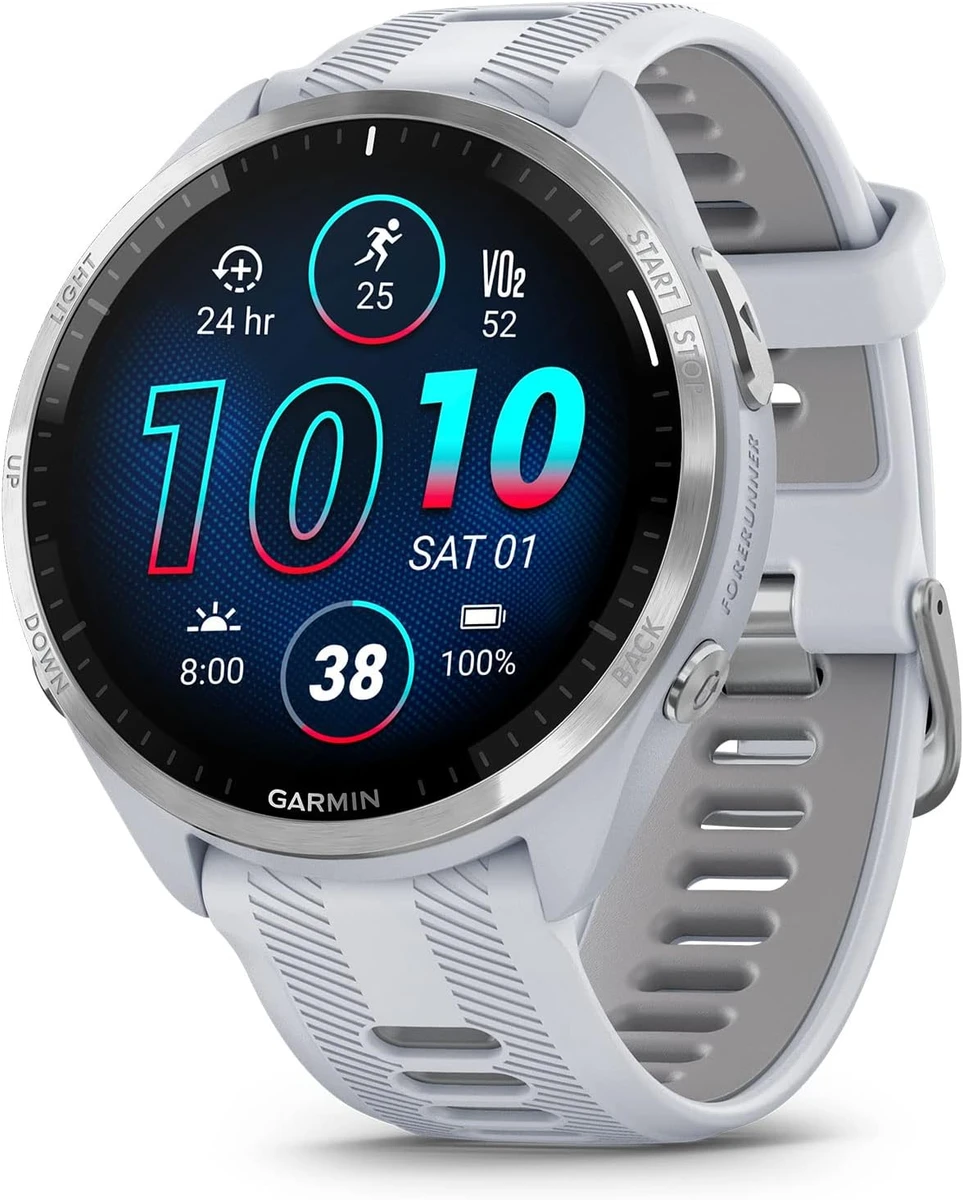
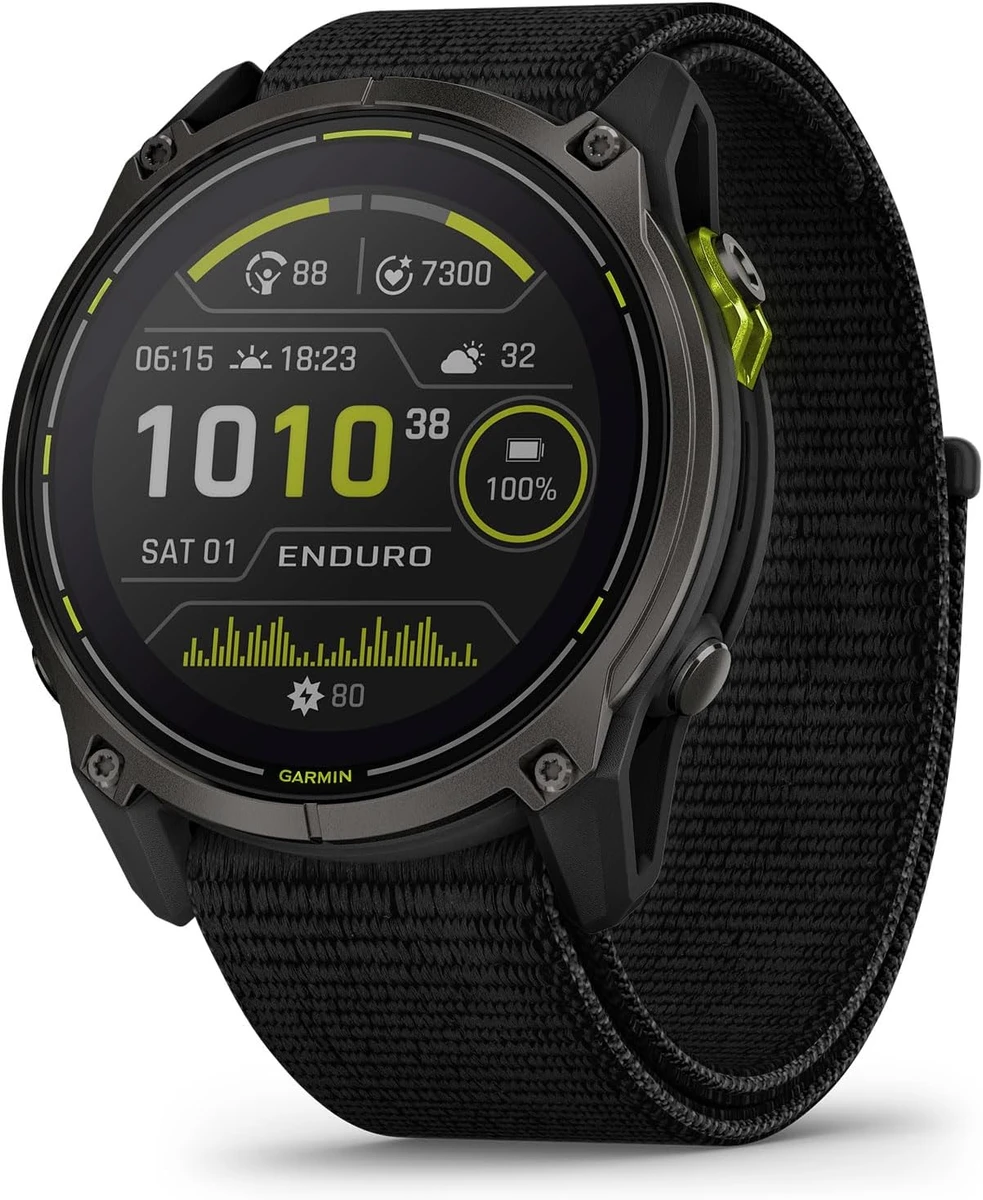
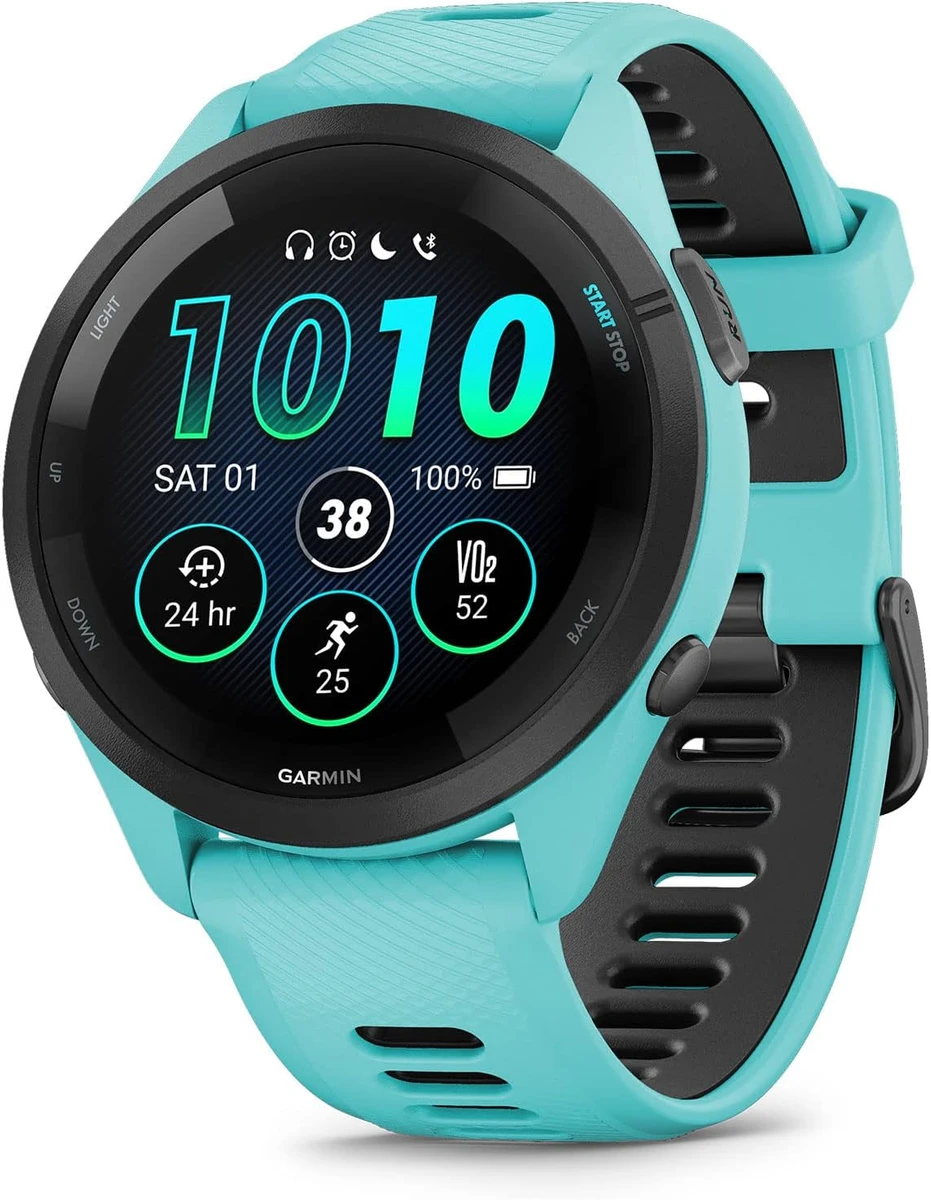
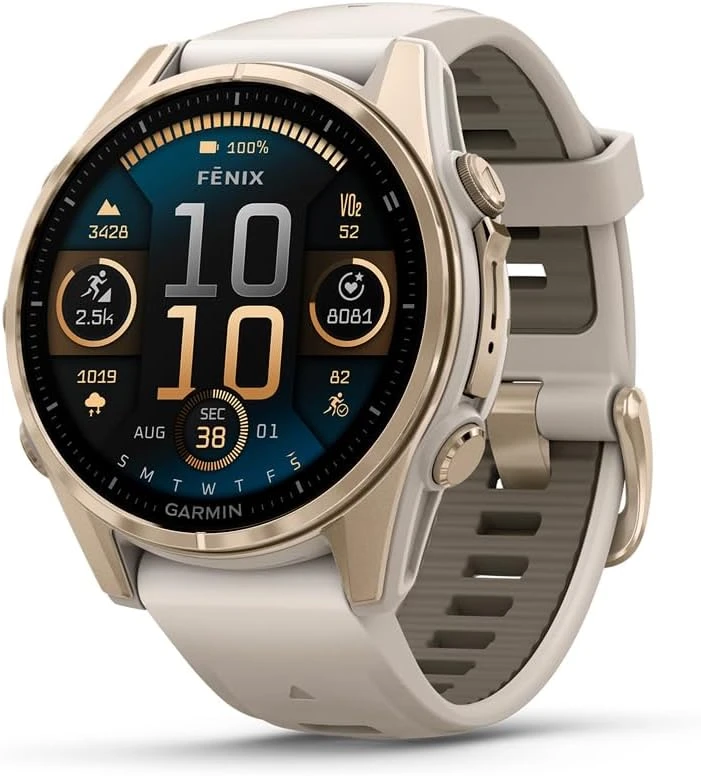
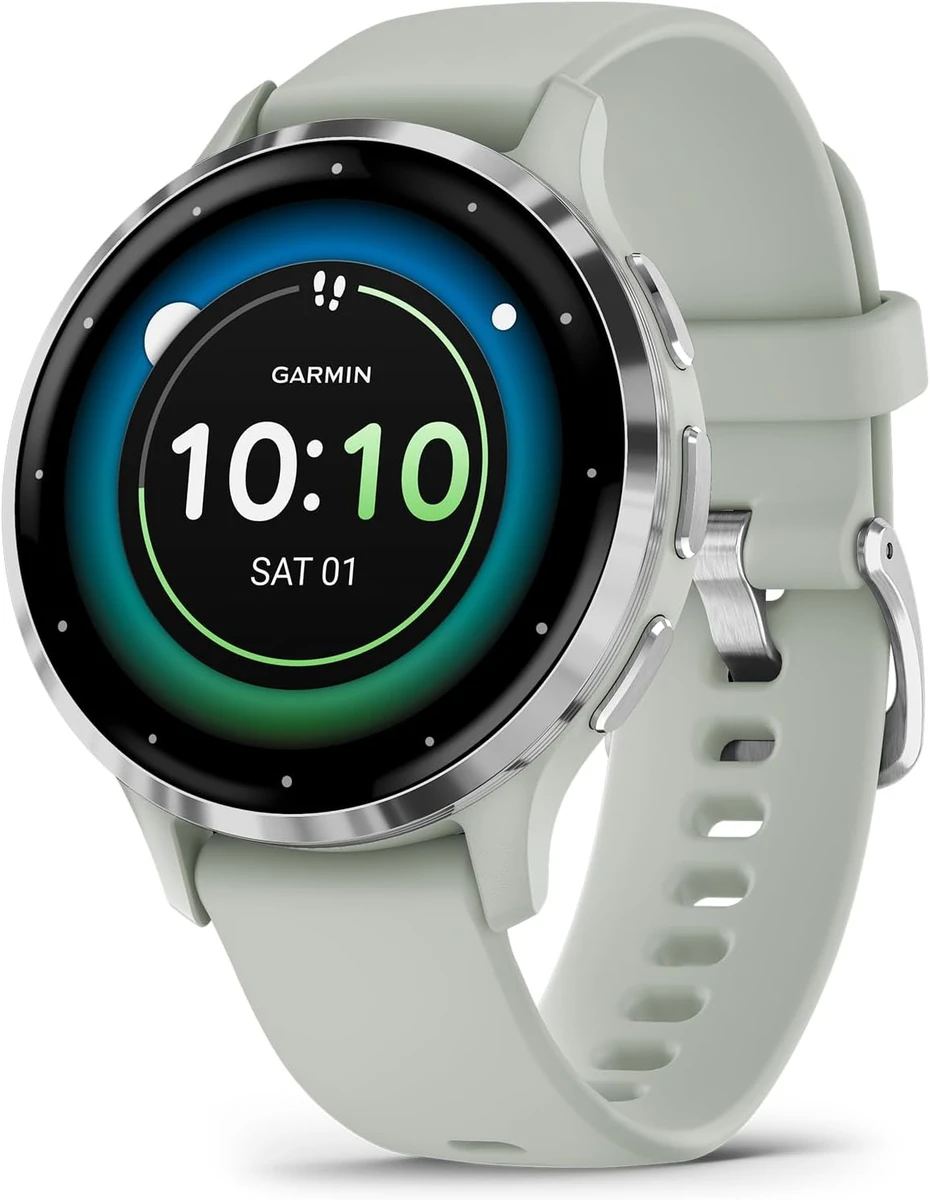
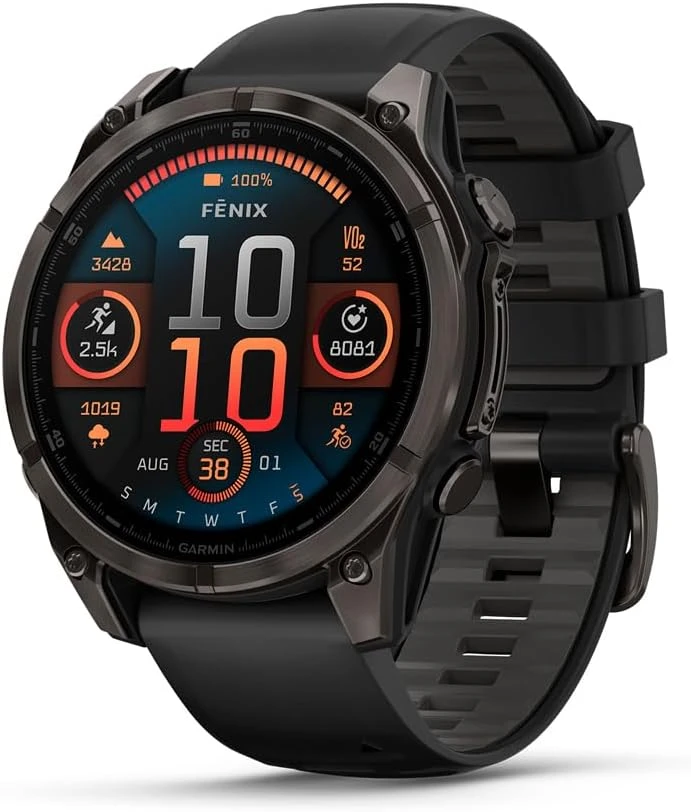
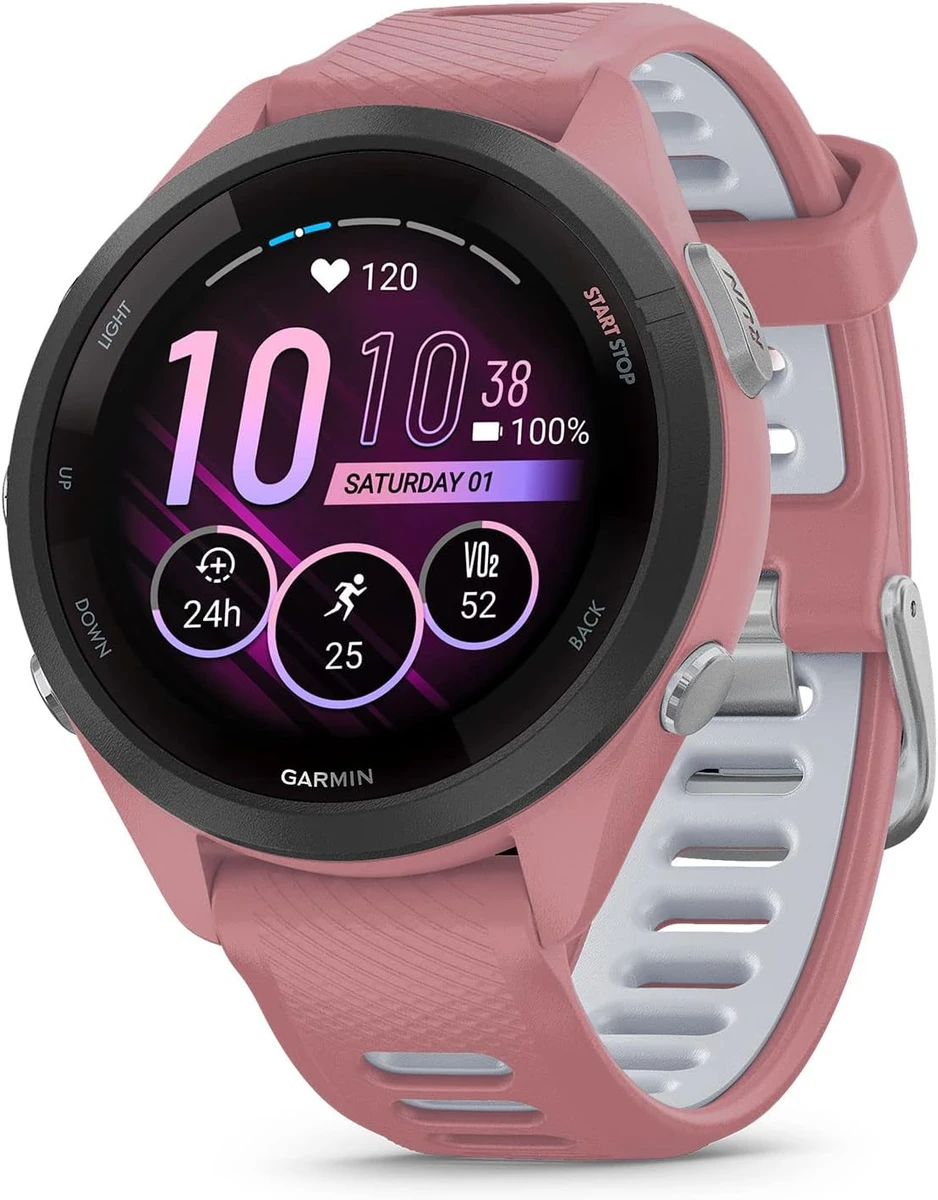
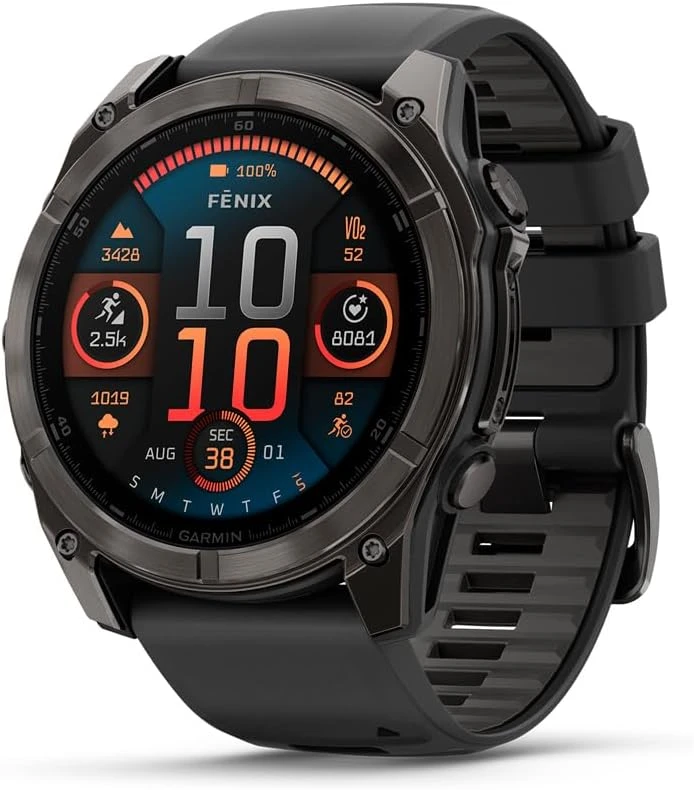
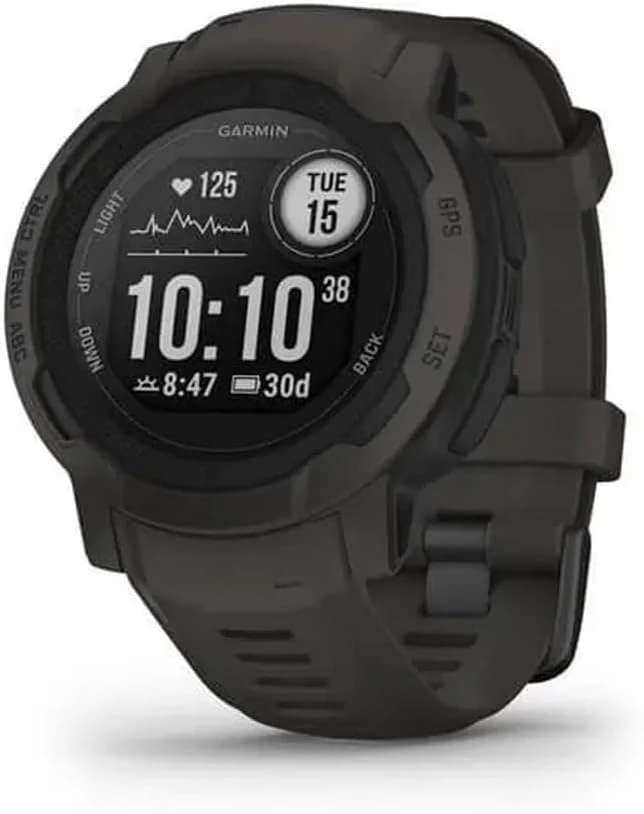
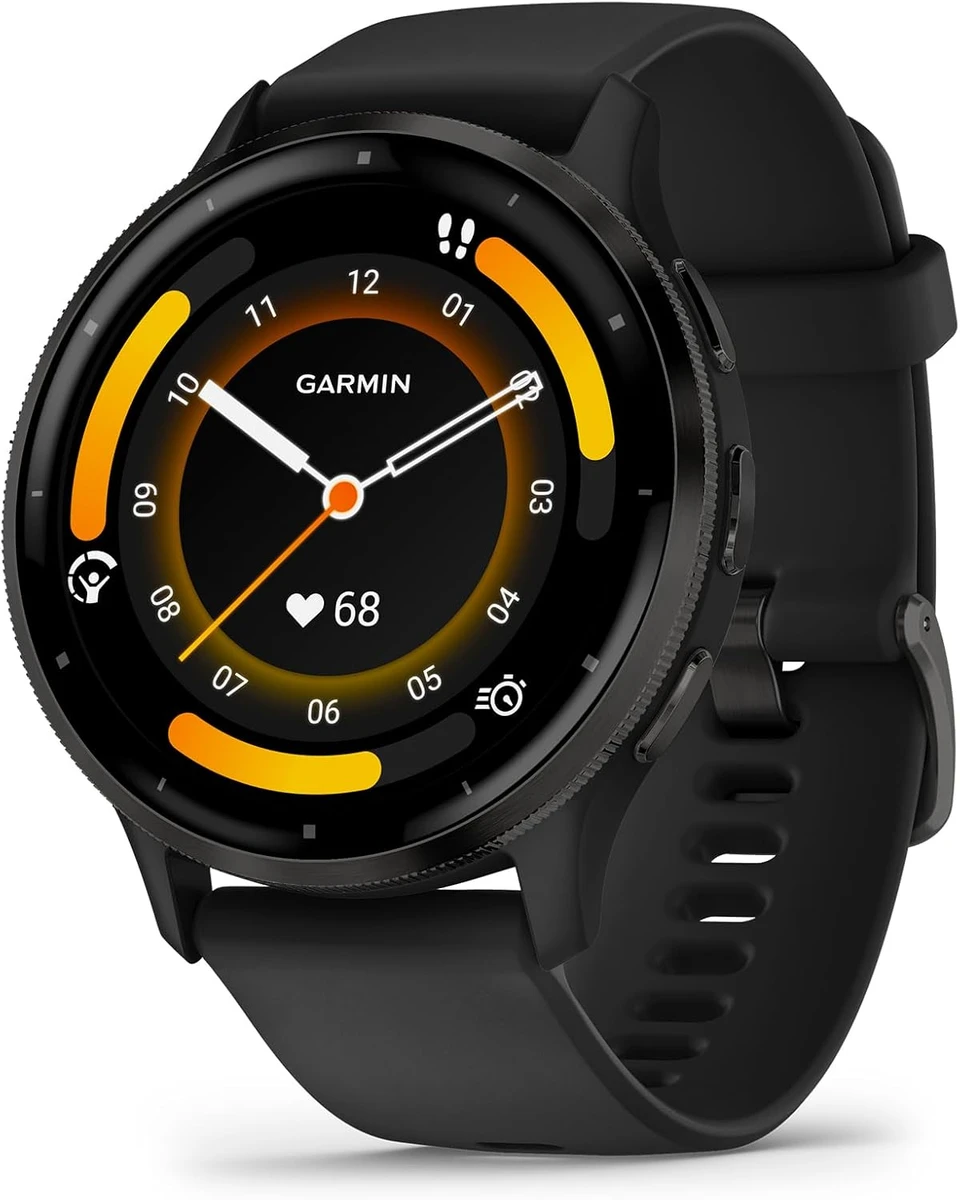
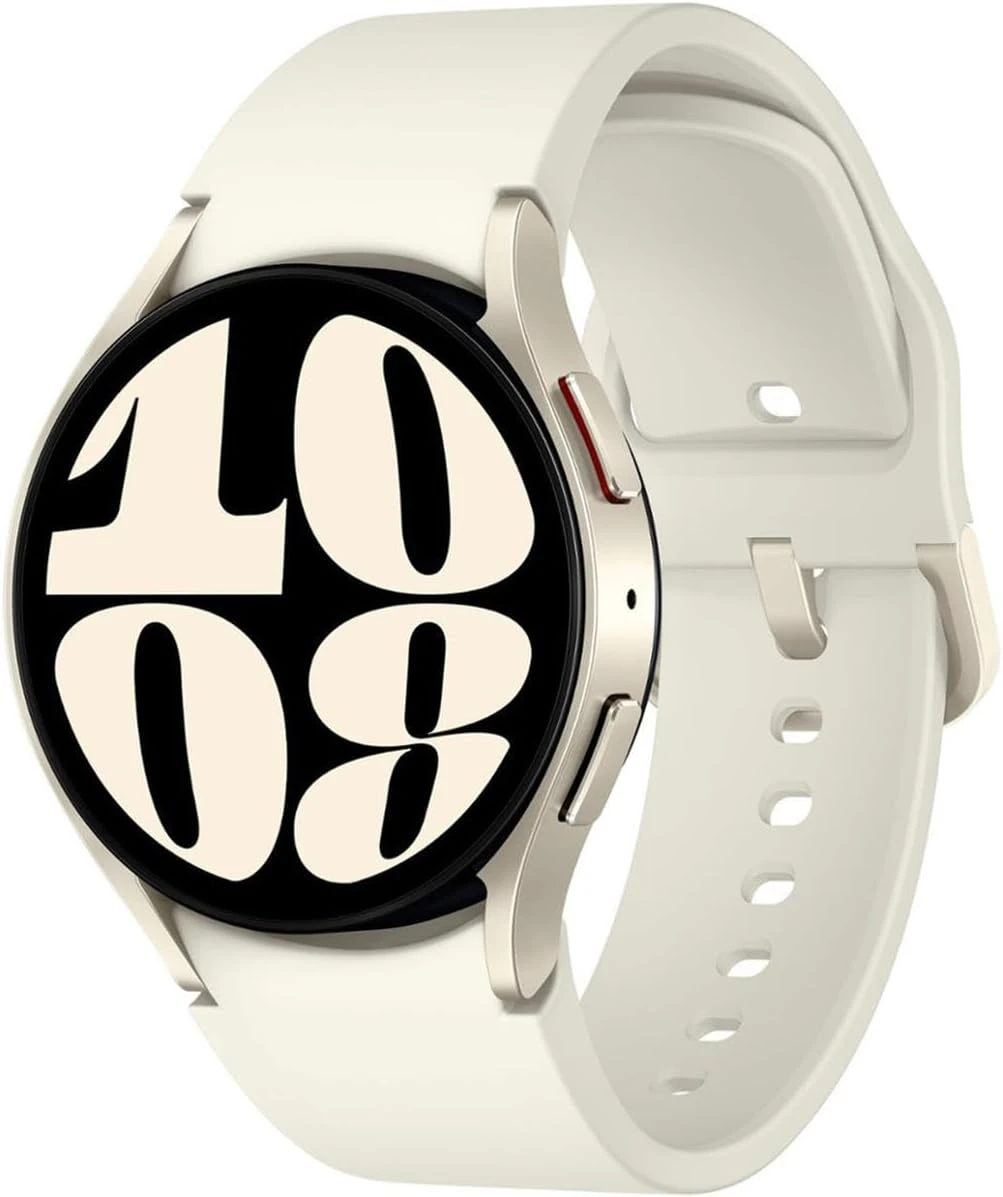
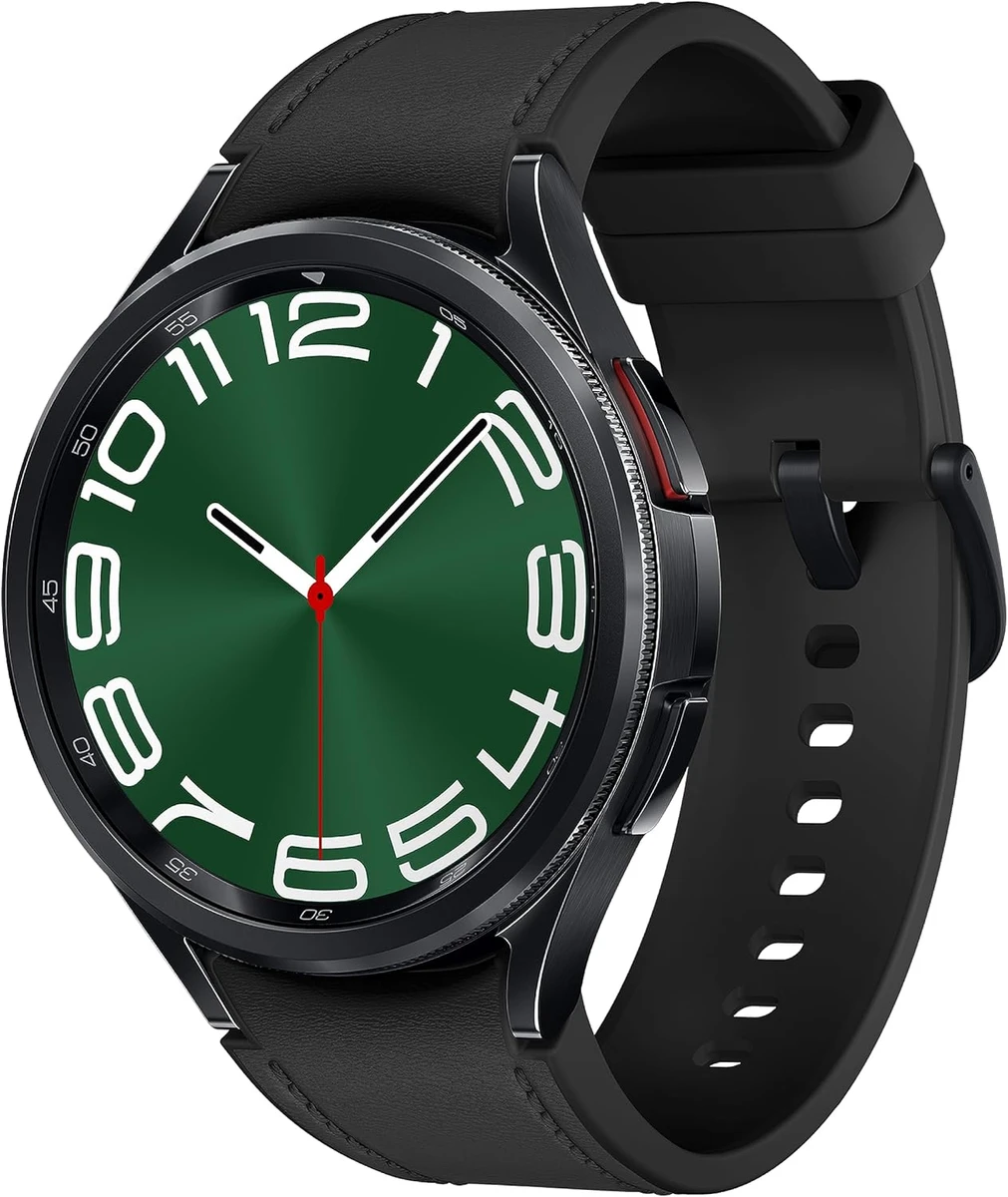
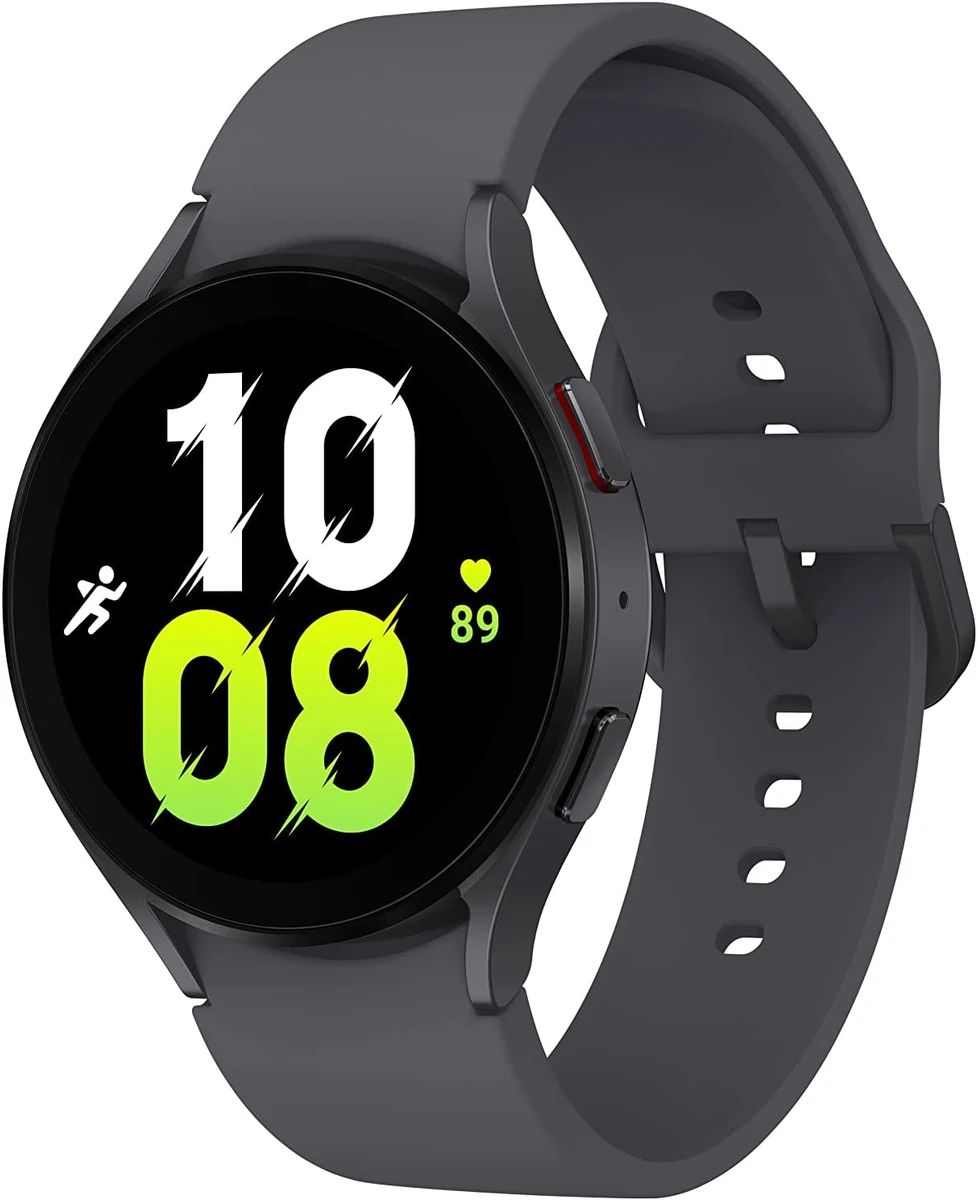
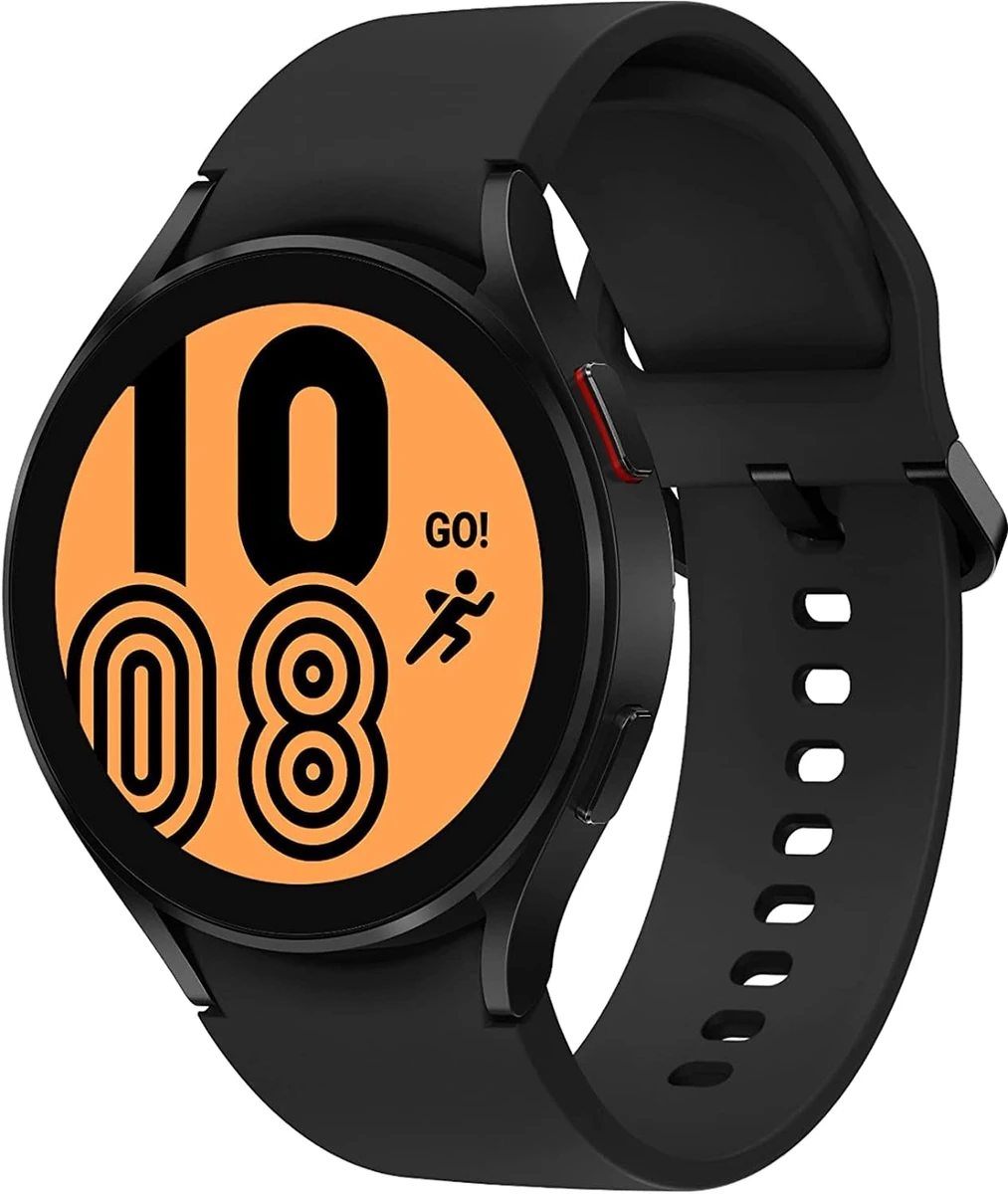
Samsung Galaxy Watch provides the premier Android experience with Wear OS, offering Google integration, Samsung Health features, and a rotating bezel that many find more intuitive than touchscreen-only navigation. Garmin serves serious athletes with specialized running, cycling, and outdoor watches featuring exceptional GPS accuracy and battery life measured in weeks, not hours.
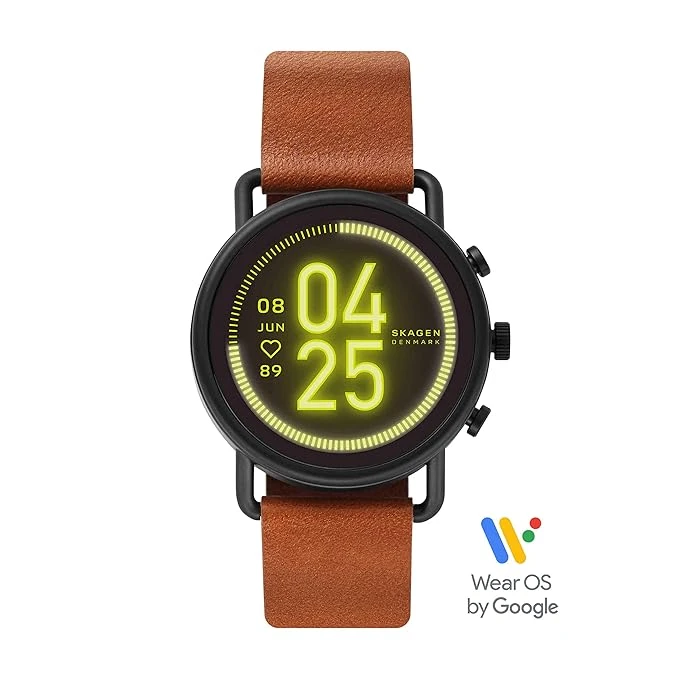
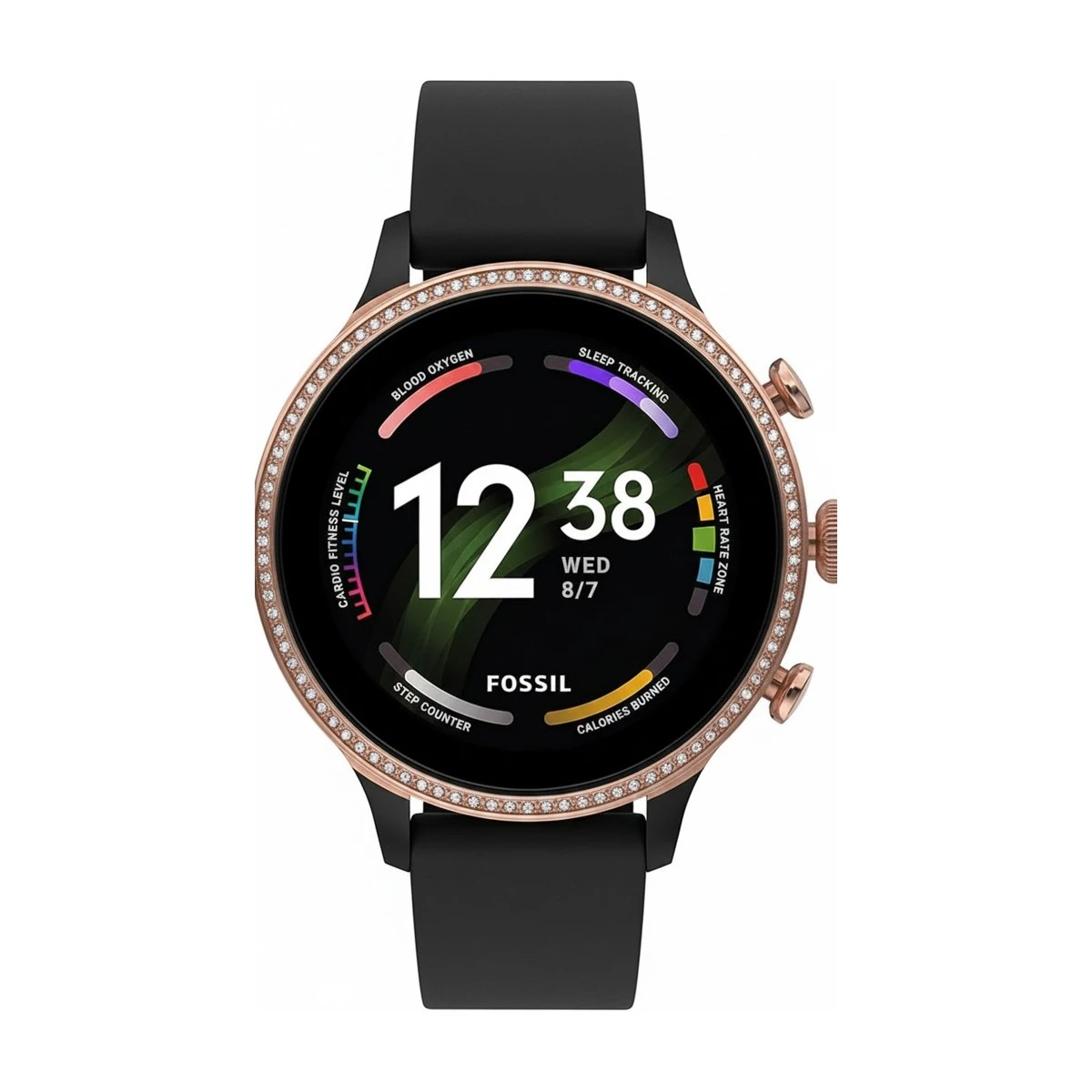
Google's acquisition of Fitbit has strengthened Wear OS with health-focused features, while traditional watch brands like TAG Heuer and Montblanc offer luxury smartwatch options for those wanting connected features with prestige aesthetics. Budget-friendly options from Amazfit and TicWatch provide core smartwatch functionality at accessible prices.
Consider your priorities: fitness enthusiasts need accurate GPS and comprehensive workout tracking, business professionals value notifications and productivity apps, while health-conscious users prioritize sensors for heart rate, sleep, and stress monitoring.
Check Current Deals on Amazon and eBay
Use the watch pages and comparison tools to narrow your picks, then check live retailer listings when available.
WatchCompared may earn a commission from qualifying purchases through affiliate links. This does not change your price.
Frequently Asked Questions
Common questions about best smartwatches
The Apple Watch Series is considered the best smartwatch for iPhone users, offering the most comprehensive health tracking, app ecosystem, and seamless integration. For Android users, the Samsung Galaxy Watch provides the best experience with Wear OS and Samsung Health features.
Most smartwatches require a smartphone for initial setup and full functionality. However, cellular-enabled models (Apple Watch GPS + Cellular, Galaxy Watch LTE) can make calls, send texts, and stream music independently. GPS-only models need a phone nearby for notifications.
Apple Watch and Galaxy Watch typically last 1-2 days between charges. Garmin watches can last 1-2 weeks in smartwatch mode. Battery life varies significantly based on screen brightness, GPS usage, and always-on display settings.
No, Apple Watch only works with iPhone. Android users should consider Samsung Galaxy Watch, Google Pixel Watch, Garmin, or other Wear OS devices. Fitbit watches work with both platforms but have limited features on iOS.
Modern smartwatches provide reasonably accurate heart rate, sleep, and activity tracking for general wellness purposes. However, they are not medical devices. Features like ECG and blood oxygen are FDA-cleared but should not replace professional medical diagnosis.
Garmin watches are best for serious athletes, offering superior GPS accuracy, training metrics, and multi-week battery life. Apple Watch excels for general fitness with excellent workout detection and Apple Fitness+ integration. Samsung Galaxy Watch provides good all-around fitness tracking.
For some people, yes. Smartwatches offer functionality traditional watches cannot match. However, many watch enthusiasts own both: a smartwatch for workouts and daily connectivity, plus mechanical watches for style and craftsmanship appreciation.
Budget smartwatches ($50-150) from Amazfit offer basic fitness tracking. Mid-range options ($200-350) from Samsung and Fitbit provide comprehensive features. Premium models ($400+) from Apple, Samsung, and Garmin offer the best displays, sensors, and build quality.